At a glance
- Many myths about UHMWPE stem from outdated views of plastics rather than from its actual industrial performance.
- In practice, UHMWPE delivers high wear resistance, impact strength and durability in demanding applications.
- Assumptions about friction, moisture and corrosion do not reflect actual behaviour because UHMWPE performs reliably in harsh environments.
- Understanding the facts allows UHMWPE to be specified confidently as a long-term, industrial-grade material solution.
Ultra-High Molecular Weight Polyethylene (UHMWPE) is widely used in industrial settings where durability, wear resistance and reliability are important. It is commonly used across material handling systems, manufacturing equipment and heavy-duty wear parts.
Despite its widespread use, UHMWPE is often misunderstood. Many assumptions about its abilities are based on outdated views of plastics or comparisons with lower-quality polymer materials. This can result in hesitation or even incorrect material choices in industrial projects.
This blog clarifies common misconceptions about UHMWPE by distinguishing fact from myth. It focuses on real-world performance and material science to provide a better understanding of how UHMWPE performs in industrial applications.
What Are UHMWPE Plastics?
Ultra-High Molecular Weight Polyethylene (UHMWPE) is a high-performance engineering plastic designed for demanding industrial use. It is made from extremely long polymer chains that give the material a high molecular weight. This structure lets the chains absorb energy and resist wear much better than standard plastics.
Due to this structure, UHMWPE offers several properties that suit industrial settings. It has excellent wear and abrasion resistance, high impact strength and a naturally low coefficient of friction. These features enable it to perform well in situations involving constant contact, repeated impact and heavy material handling. As a result, UHMWPE is often selected over many metals and other polymers in wear-intensive applications.
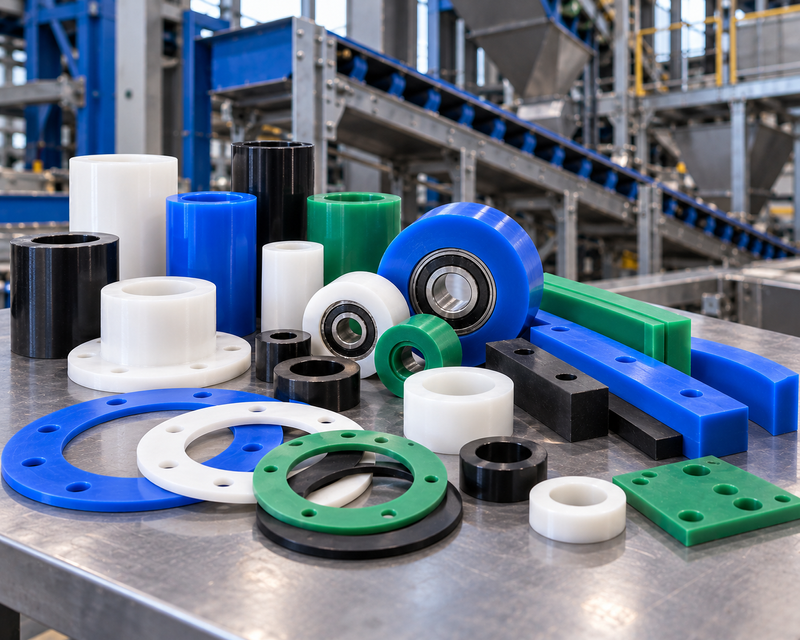
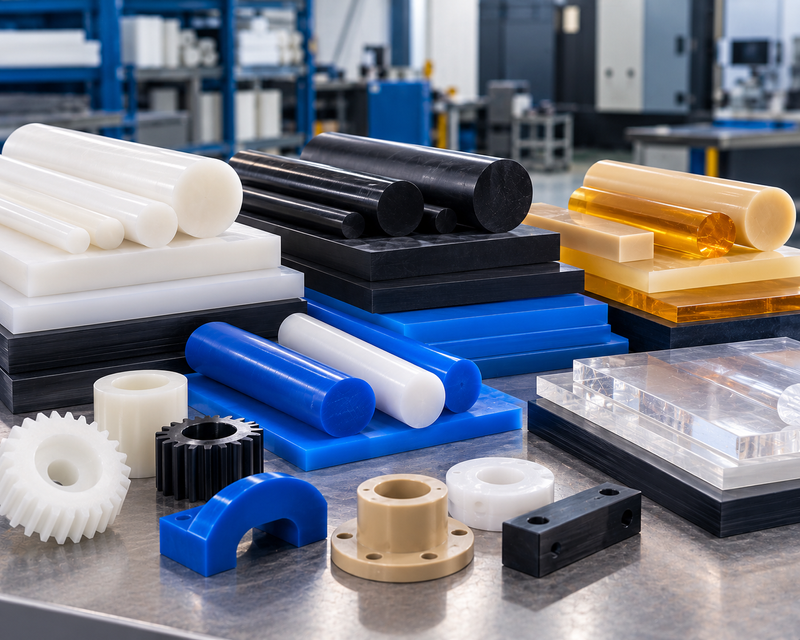
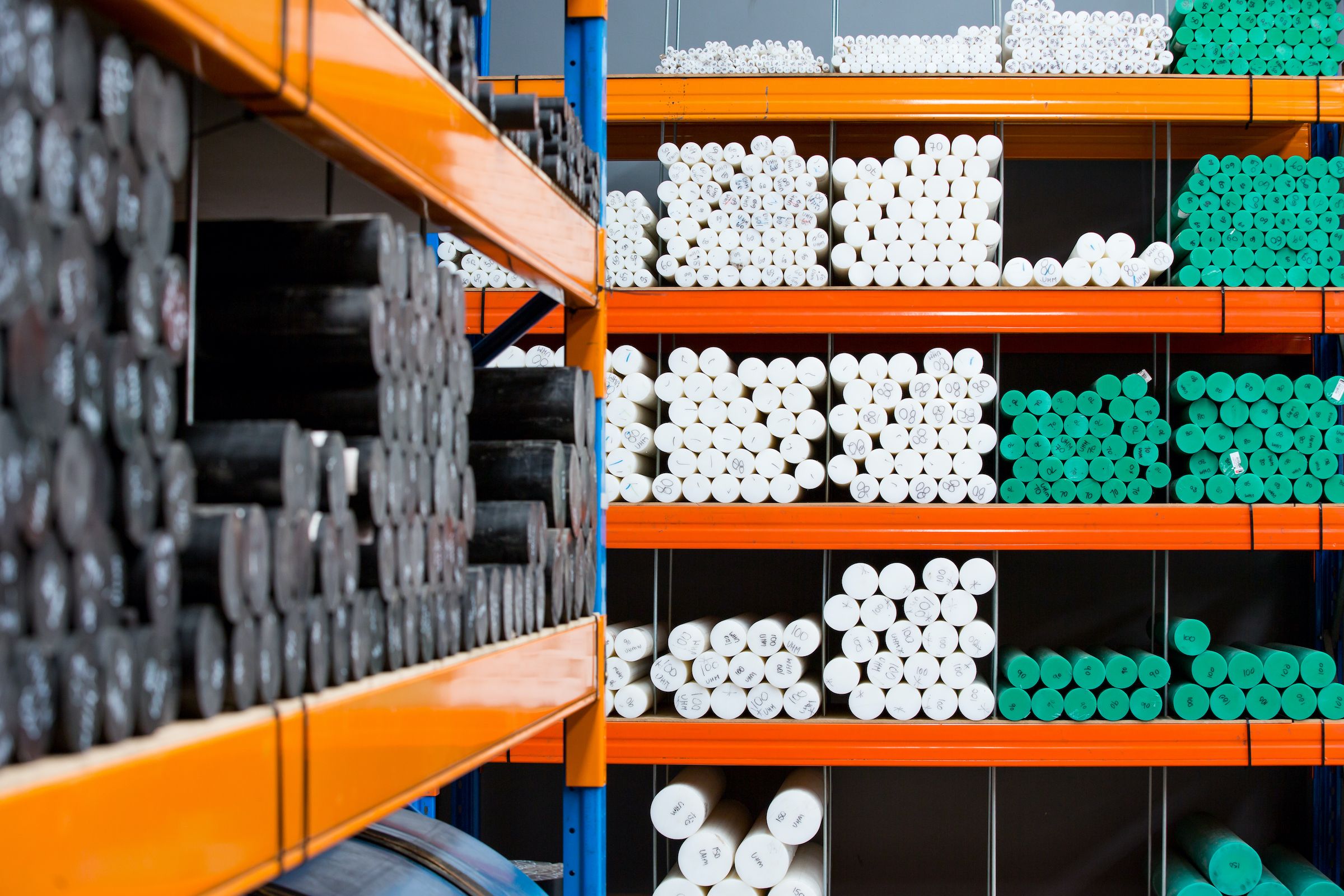
Furthermore, UHMWPE is generally available in two forms: sheets and rods. From these, you can create a variety of industrial components, including liners, wear strips, bearings and chute panels.
Read More: Introduction to UHMWPE: Understanding the Basics
Common Assumptions About UHMWPE: Myth vs Fact
UHMWPE is widely specified across various industrial systems. However, misconceptions still influence how it is evaluated. The following sections address common myths and facts about UHMWPE and clarify how it actually performs in industrial environments.
Assumption 1: UHMWPE Is Just a Standard Plastic
The Myth:
UHMWPE is often mistaken for a general-purpose plastic with limited performance. Since it is a polymer, many assume it has the same weaknesses as lower-grade plastics. These weaknesses include reduced strength, a short lifespan and poor suitability for industrial use. Believing this assumption could lead you to overlook UHMWPE early in the material selection process.
The Fact:
- UHMWPE is an engineered material with a molecular structure specifically designed for industrial performance.
- Its ultra-high molecular weight is the key factor behind its advanced material properties.
- UHMWPE engineering plastic is specified for demanding industrial applications, not consumer or light-duty use.
- Its performance characteristics place it in a different category from commodity plastics.
Assumption 2: UHMWPE Cannot Handle High Loads or Impact
The Myth:
Plastics are commonly perceived as brittle materials that crack or deform when exposed to heavy loads or repeated impact. Because of this perception, UHMWPE is sometimes overlooked for applications involving shock loading, dropped items or sustained mechanical stress.
The Fact:
- UHMWPE impact resistance allows it to absorb energy rather than fracture under sudden force.
- The material’s molecular structure distributes load across the surface instead of concentrating stress.
- It maintains structural integrity even after repeated impacts.
- This makes UHMWPE suitable for high-load environments where impact is part of normal operation.
Assumption 3: UHMWPE Wears Out Quickly in Abrasive Conditions
The Myth:
There is a common misconception that plastics break down quickly under harsh conditions, especially when subjected to sliding, scraping or constant material flow. Many believe that this leads to frequent replacements and a significantly shorter lifespan. As a result, UHMWPE may be incorrectly viewed as a poor choice for heavy-duty industrial applications.
The Fact:
- UHMWPE abrasion resistance is one of its most recognised performance advantages.
- Its molecular structure reduces surface damage caused by repeated contact.
- UHMWPE wear resistance allows components to maintain performance over extended operating periods.
- It is commonly used in applications where continuous abrasion would quickly wear down other materials.
Assumption 4: UHMWPE Is Only Suitable for Light-Duty Applications
The Myth:
UHMWPE may be perceived as a temporary or secondary material, appropriate only for low-stress applications. This misconception typically stems from associating plastic materials with diminished durability or a limited operational lifespan.
The Fact:
- UHMWPE is a durable material that supports long-term use in continuous industrial systems operating under high loads.
- It performs reliably under sustained mechanical stress and repeated operating cycles, reducing the risk of cracking or fatigue and lowering maintenance demands and unplanned downtime.
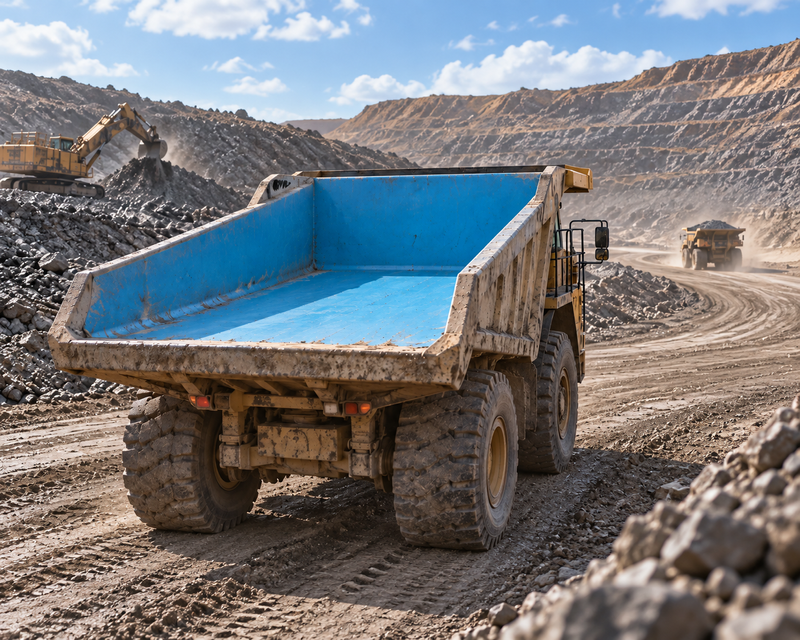
- Its performance is proven in heavy-duty applications such as conveyor wear strips, chute liners, bulk material handling components, guide rails and impact-resistant liners in processing operations.
Assumption 5: UHMWPE Does Not Perform Well in Wet or Corrosive Environments
The Myth:
Plastics are often criticised for their tendency to absorb moisture, swell or lose strength when in contact with water or chemicals. This concern can lead people to doubt the reliability of UHMWPE in washdown areas, damp processing facilities and environments where industrial chemicals are routinely used.
The Fact:
- UHMWPE is inherently non-corrosive, unlike many metal alternatives used in similar environments.
- It resists moisture absorption, which helps maintain dimensional stability over time.
- Many industrial chemicals have little to no impact on UHMWPE’s mechanical performance.
- UHMWPE performs well in wet, washdown and chemically harsh conditions.
Assumption 6: UHMWPE Creates Excessive Friction
The Myth:
Many people believe that plastic surfaces increase friction and restrict material flow in continuous processes. This viewpoint frequently raises concerns about potential declines in efficiency, increased resistance and fluctuating throughput in material-handling applications.
The Fact:
- UHMWPE is a naturally low-friction material designed to minimise resistance during contact.
- Reduced surface drag supports smoother and more consistent material movement.
- Lower friction contributes to quieter operation and reduced energy consumption across systems.
- These characteristics make UHMWPE well-suited to sliding, guiding and flow-control applications where efficient movement is critical.
Assumption 7: UHMWPE Is Difficult to Machine or Customise
The Myth:
UHMWPE can sometimes be seen as difficult to machine with precision when tight tolerances or repeatability are required. This perception often stems from the belief that high-performance plastics lack the stability and reliability required for custom industrial components.
The Fact:
- UHMWPE can be machined using standard industrial fabrication and CNC methods.
- It supports precise shaping for custom-engineered parts when appropriate tooling and techniques are applied.
- Dimensional consistency can be maintained through correct machining practices and process control.
Many prevalent misconceptions about UHMWPE stem from outdated views on plastics rather than from its actual performance in industrial applications. In contrast to these myths, UHMWPE offers reliable wear resistance, impact strength, low friction and durability in demanding applications. When you examine materials science and real-world use, these myths no longer hold up. This provides a clearer understanding of why UHMWPE is often selected for industrial applications.
If you are evaluating materials for demanding industrial applications, it is important to work with a trusted engineering plastics supplier. At ePol, we draw on our experience across industrial environments to help ensure UHMWPE is specified correctly for your requirements. Contact us to get expert guidance on UHMWPE selection.
FAQs
How can I determine whether UHMWPE is the appropriate material for my specific industrial application?
Determine suitability by assessing your operating conditions, including load, abrasion, impact, moisture and friction requirements. UHMWPE is well-suited to applications involving continuous wear, sliding contact and harsh environments.
What industries benefit most from using UHMWPE components?
Industries that benefit most from UHMWPE components include mining and resources, bulk material handling, manufacturing and food processing facilities.
Read More: Can UHMWPE Be Used in the Food Industry?
How does UHMWPE compare with other engineering plastics, such as nylon or acetal, in industrial use?
Compared to nylon or acetal, UHMWPE generally offers superior wear resistance, higher impact strength and lower friction. This makes it particularly effective in applications involving heavy abrasion, repeated impact and continuous sliding contact. To learn more about its applications, read this blog: Most common applications of UHMWPE.
What factors should be considered when specifying UHMWPE for custom-machined parts?
When specifying UHMWPE for custom-machined parts, consider the operating load, wear and impact exposure, required tolerances, operating environment and the required UHMWPE grade.