At a glance
- OKUSLIDE® absorbs high-impact energy, reduces stress concentration and helps protect underlying equipment surfaces.
- Its flexible UHMWPE structure prevents cracking risk by spreading force across a wider area under repeated high-load conditions.
- Strong abrasion resistance helps maintain surface integrity even when impact is followed by continuous sliding and scraping.
- By managing both impact and wear together, OKUSLIDE® reduces damage, extends equipment life and supports consistent performance.
Heavy impact is a constant challenge across industrial material handling systems. Equipment surfaces are often exposed to heavy bulk materials as they are loaded, moved and discharged across the system. Over time, repeated contact increases surface stress, which can lead to wear, deformation and reduced performance in high-impact zones.
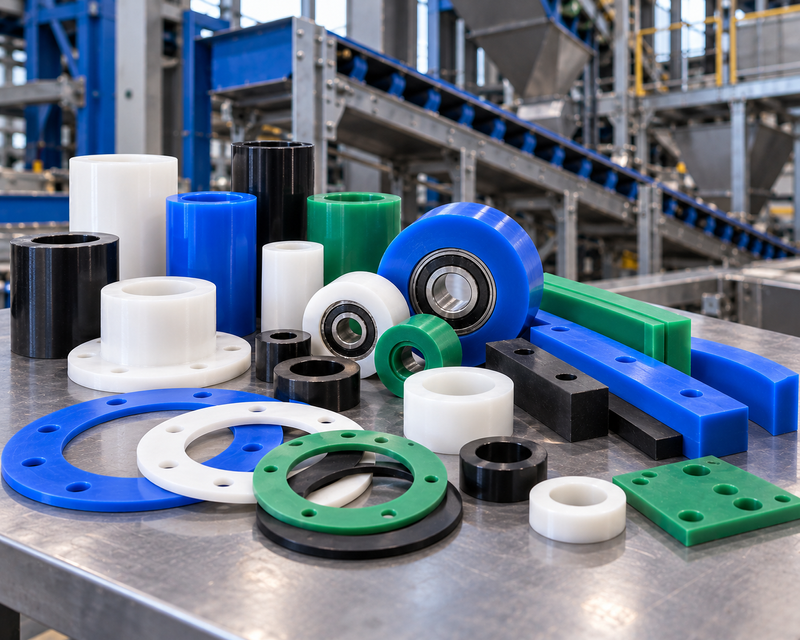
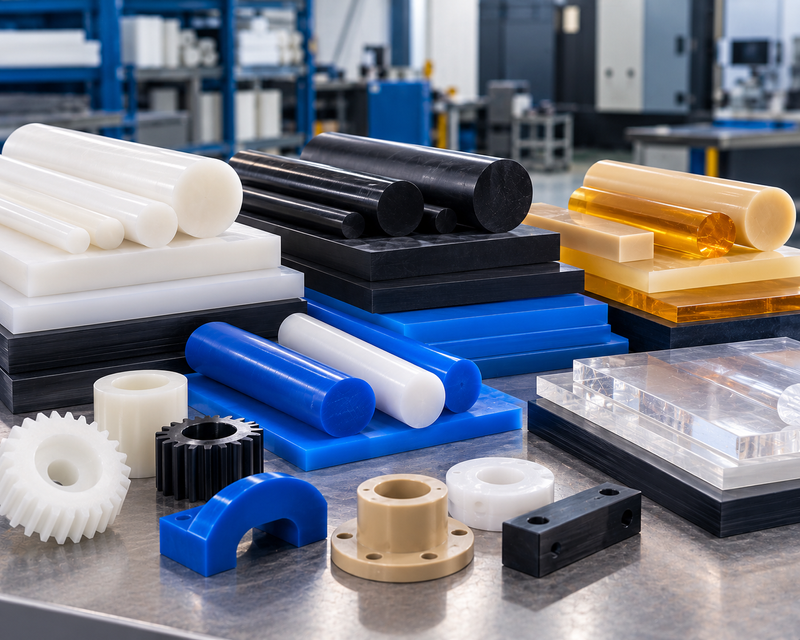
To manage these conditions properly, you need a liner material that can handle both impact and ongoing wear. Ultra-high molecular weight polyethylene (UHMWPE) is widely used in industrial applications because of its impact resistance, abrasion resistance and low-friction surface. Made from UHMWPE, OKUSLIDE® provides a durable lining surface that helps absorb impact, resist wear and support smoother material flow. These properties make OKUSLIDE® suitable for use in bins, chutes, hoppers and transport equipment.
This blog explains where heavy impact loads occur, how OKUSLIDE® helps manage them and what that means for industrial operations.
Where Heavy Impact Loads Occur in Industrial Systems
Heavy impact loads usually occur where material enters, changes direction, shifts under movement or exits the system.
- Material Loading Zones: The first signs of wear often appear where heavy materials enter the system. In bins and hoppers, repeated drops from height can concentrate force in the same contact points, especially when handling dense or abrasive materials. Without suitable lining protection, these entry zones can wear quickly and become early failure points.
- Material Transfer Areas: Transfer points take heavy wear because material does not just hit the surface and stop. As it changes direction, it often lands with force, slides across the liner and continues moving through the system. This mix of impact, speed and abrasion can wear down chute walls and transition points faster than steady material flow.
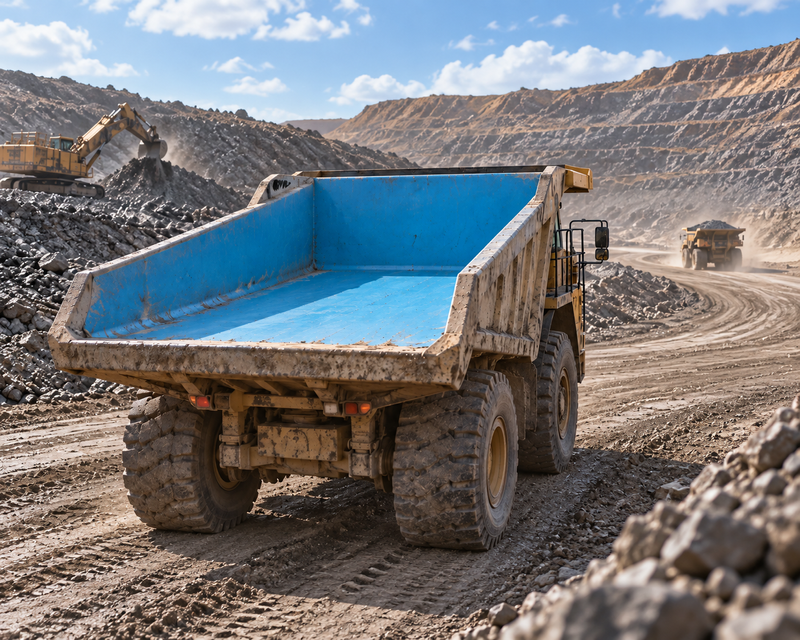
- Bulk Transport Surfaces: On truck beds and trailers, impact occurs through repeated loading, shifting and unloading cycles. As materials shift during transit, they create continuous surface contact and pressure across the floor, side walls and discharge zones. This often causes gradual wear across larger contact areas rather than isolated damage in one spot.
- Material Discharge and Release Points: Discharge areas experience inconsistent impact forces as materials begin to exit the system. When materials stick or start to build up, they often release suddenly, creating uneven forces and secondary impacts. This can increase strain on outlet sections and surrounding surfaces.
How OKUSLIDE® Handles and Reduces Heavy Impact Stress
Impact damage usually does not happen from a single incident. It builds gradually with constant loading, movement and discharge. Steel surfaces are prone to damage from repeated impact and pressure on the same contact zones. Managing this requires a material that can absorb impact without transferring the full force onto the structure below.
This is where OKUSLIDE® becomes useful. It has high impact strength that absorbs energy from heavy loads, reducing the risk of cracking or breakage. When heavy materials strike the surface, the liner can flex slightly instead of responding like a rigid meta surface. This helps distribute the force over a larger area instead of concentrating it at one point.
In practice, this can mean less localised damage at entry zones and better performance under repeated impact.
Impact alone is only part of the problem. In mining and bulk handling operations, materials rarely strike a surface and stop. They continue to slide, scrape and move across it, causing ongoing wear long after the initial contact.
OKUSLIDE® also provides strong abrasion resistance, helping the liner surface hold up when impact is followed by sliding and scraping. The surface withstands continuous contact, slowing the rate of wear in high-use areas.
You can see this clearly in mining operations, where ore is dropped into hoppers and then moves through chutes. The initial force can be significant, but ongoing movement often adds further abrasion after impact. A liner designed only for impact may wear faster if it cannot also manage sliding and abrasion. OKUSLIDE® helps manage loading impact while maintaining a durable surface as materials continue moving through the system.
Read More: What Are UHMWPE Bed Liners and Why Choose OKUSLIDE®?
Where OKUSLIDE® Performs Best in High-Impact Environments
Here are the key areas where OKUSLIDE® performs best in high-impact environments across material handling systems:
- Primary crusher feed hoppers and dump bins in mining and quarrying, where large rocks and ore are dropped from height, creating repeated high-energy impact at entry zones.
- Rock box chutes and transfer points in bulk handling systems, where heavy material hits surfaces at speed before changing direction under load.
- Tipper truck bodies and off-road haul trucks transporting aggregate, demolition waste or ore under repeated heavy loading cycles.
- Impact zones in recycling and demolition processing equipment, where mixed, heavy and irregular materials strike surfaces unpredictably.
- Heavy-duty feed chutes are used in cement and mineral processing plants, where dense material enters the system with concentrated force.
Heavy impact loads build over time through repeated loading, movement and discharge. This process gradually wears down the surfaces that experience the most contact. In these conditions, how force is managed becomes just as important as the material itself. OKUSLIDE® handles this through its UHMWPE-based structure, which absorbs impact energy and spreads it more evenly across the surface. This reduces localised stress and helps protect the underlying structure from long-term damage.
For operations that handle heavy materials, this means reduced wear, fewer maintenance interruptions and consistent performance across key equipment. It’s not just about managing impact when it happens; it’s about maintaining reliability over time.
If heavy impact is affecting equipment performance, it may be time to review your lining solution. ePol, an experienced engineering plastics supplier, offers materials through a simple online portal, making it easier to find and source OKUSLIDE®.
Enquire now about impact-resistant OKUSLIDE® lining solutions for your application.
FAQs
What maintenance practices are recommended to maximise the lifespan of OKUSLIDE® liners?
Regularly inspect high-impact and high-wear areas for early signs of damage or loosening. Ensure all fasteners remain secure, as movement under load can accelerate wear. Keep surfaces clean by removing material build-up, which can create uneven stress during operation.
What fixing or fastening methods are used to secure OKUSLIDE® in high-impact environments?
OKUSLIDE® liners are typically secured using mechanical fixing methods such as countersunk bolts, studs and fastening systems designed to sit flush with the surface. In high-impact areas, backing plates or reinforced fixing points may also be used to improve stability and distribute load more evenly.
How does Okuslide® compare with metal truck body liners?
Compared to metal liners, OKUSLIDE® absorbs and spreads impact energy instead of transferring force directly into the structure. This helps reduce dents, wear and long-term structural stress.
Can OKUSLIDE® handle different types of bulk materials in the same system?
Yes. Its UHMWPE structure performs well across dense, abrasive and irregular materials such as ore, aggregate and demolition waste, although liner thickness and fixing methods should match the application. This makes it suitable for operations where material conditions vary over time.