At a glance
- Conveyor lifespan is mainly reduced by friction, abrasion, impact and material build-up at key contact points.
- UHMWPE supports longer conveyor lifespan by reducing friction, resisting wear and limiting material adhesion in high-wear areas.
- Its impact absorption and corrosion resistance help protect the liner's surface and supporting structures from early damage.
- Targeted use of UHMWPE can extend component life, reduce maintenance and improve overall conveyor reliability.
Conveyor system failure can create serious operational problems in industrial environments. For many operators, worn conveyor components lead to higher maintenance costs, unplanned downtime and reduced system efficiency.
Many failures begin where material repeatedly hits, slides or builds up against conveyor surfaces. If the liner cannot manage friction, abrasion, impact or adhesion, wear accelerates and the surrounding components become more exposed to damage.
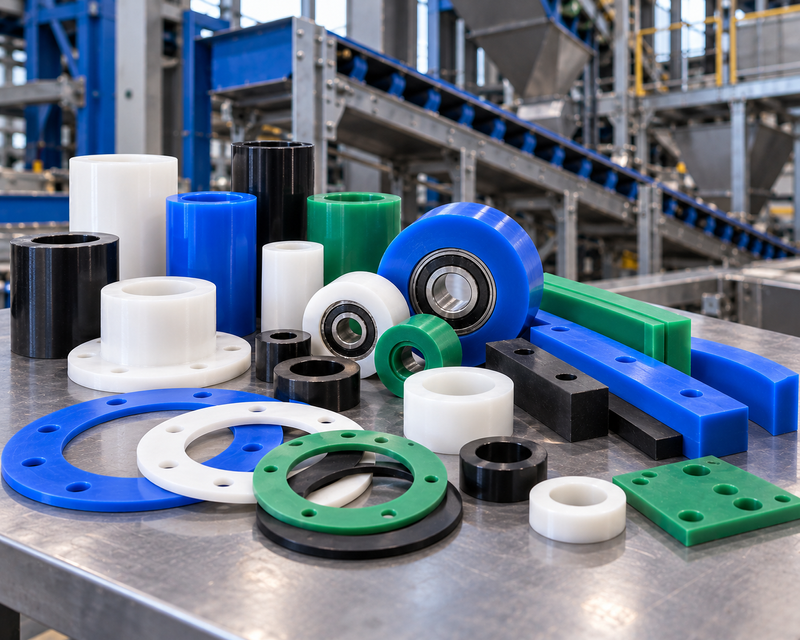
Many operators benefit from using lining material made from Ultra-High Molecular Weight Polyethylene (UHMWPE). Used at important contact points, it helps minimise friction, resist wear and ensure materials flow smoothly.
In this blog, we will talk about the causes of wear in conveyor systems and discuss how UHMWPE can help extend their lifespans without a complete redesign.
What Causes Conveyor Systems to Wear Out Faster?
Understanding the main causes of wear helps identify where conveyor components are losing service life. These are the key factors that can accelerate wear in conveyor systems:
- Repeated Impact Loading at Transfer Points: Material falling from heights strikes liners and chute surfaces with force, creating repeated impact stress. In high-tonnage operations, this can lead to micro-cracks, surface deformation and faster liner wear. Over time, liners can wear down and lose their ability to protect the surrounding structure. The surrounding steel structure may also begin to fatigue under constant shock loading.
- Material Build-Up and Flow Restriction: Sticky or fine materials begin to adhere to chute walls and hopper surfaces. As layers build up, the available flow path narrows and forces material through under higher pressure. This causes wear to build up in certain sections instead of spreading evenly across the surface.
- Carryback and Residual Material Movement: Material left on the belt after discharge continues along the return side. As it passes over rollers and support structures, it causes unwanted abrasion. Fine particles can stick to rollers, frames and belt contact areas, forming an abrasive layer. Over time, return rollers and frames can wear faster than they were designed to handle.
- Continuous Friction at Contact Surfaces: In skirt zones, belts maintain continuous contact with sealing systems and liners. This creates a constant friction point while the conveyor is operating under load. With continuous operation, both the belt edge and the liner surface can gradually lose material.
How UHMWPE Improves Conveyor Lifespan
Once you know where the wear is coming from, UHMWPE can be used in the areas taking the most friction, impact and material contact. Here’s how UHMWPE liners can help key conveyor components last longer:
Reduces Friction at Critical Contact Points
UHMWPE has a very low coefficient of friction compared to steel or other conveyor liner materials. When installed on chute walls, skirt liners and transfer points, it creates a smoother interface between the moving material and the surface. This reduces drag as material moves through chutes, transfer points and other contact areas.
Lower friction also reduces surface wear on both the liner and adjacent components. Belts experience less drag, which lowers tension and reduces edge wear in skirt zones.
Over time, reduced drag can support conveyor durability by lowering unnecessary material strain. It also helps extend service intervals by slowing wear at high-contact points.
Minimises Abrasive Wear in High-Throughput Areas
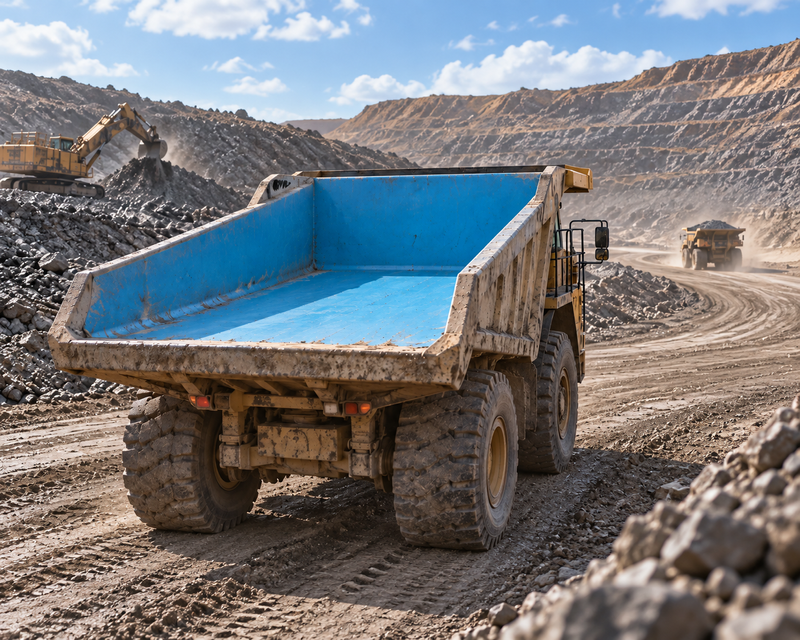
In bulk material handling environments, abrasive materials like sand, ore and aggregates constantly grind against liner surfaces. UHMWPE’s wear-resistant structure helps it withstand this ongoing contact without thinning or surface breakdown. This is particularly important in high-flow areas such as chutes, hoppers and transfer points, where material speeds can be high.
Due to its high abrasion resistance, components like wear strips, guide rails and liners maintain their thickness and structural integrity. This extends the wear cycle and reduces the need for frequent part replacements. With that, fewer maintenance interruptions occur, promoting more stable operating conditions.
Prevents Material Build-Up and Blockages
Adhesive materials sticking to conveyor liners disrupt the flow. Liners made from UHMWPE prevent materials from sticking or building up in the conveyor belt regardless of the material's properties. This enables materials to flow continuously without forming layers that obstruct the path or cause uneven loading.
When the build-up is reduced, the system operates more smoothly. There is less need for manual cleaning, which often introduces additional wear through scraping or tool contact. By limiting both accumulation and cleaning, UHMWPE helps maintain a steady flow and improve component lifespan.
Because of this non-stick behaviour, applications of UHMWPE are widespread in industries where material adhesion affects conveyor performance:
- Food processing: helps reduce product residue build-up, supports hygiene and reduces frequent washdowns. Read more to understand UHMWPE applications in the food industry.
- Recycling operations: reduce build-up from mixed and irregular waste materials that tend to cling to surfaces.
- Agriculture and grain handling: prevents clogging from moist grains and organic material during transport
- Chemical and fertiliser handling: minimises adhesion of powdery or reactive materials that can compact over time
Absorbs Impact in High-Load Zones
Materials often fall from a height onto liners or chute surfaces. UHMWPE can withstand repeated impacts without cracking or becoming brittle. In contrast, materials like rubber or conventional plastics can crack, deform and wear out under repeated impact stress. UHMWPE’s toughness lets it flex slightly under load, helping absorb energy instead of passing it straight to the structure.
This reduces stress on mounting systems, support frames and nearby steel components. Over time, it helps prevent structural fatigue and localised damage that can lead to early failure. Both the liner and the underlying structure are protected, resulting in a longer service life in constant-impact zones.
Resists Corrosion and Chemical Degradation
Materials like steel can corrode or weaken in environments exposed to moisture and chemicals. In contrast, UHMWPE resists acids, water and alkaline substances and keeps stable surface performance under harsh conditions. As a result, this makes it ideal for an environment with exposure to chemicals, water and corrosive substances.
Because UHMWPE does not rust or break down when exposed to moisture, you can expect a consistent performance without surface wear. This reduces the need for premature replacement and ensures that conveyor parts function properly.
In industries such as marine or wastewater management, this resistance is crucial for extending the life of conveyors under tough operating conditions.
Read More: Why UHMWPE Performs Well in Wet and Humid Environments
Conveyor lifespan is primarily affected by friction, abrasion, impact and the build-up of material at key contact points. UHMWPE liners slow this wear by providing a low-friction surface that helps reduce drag, resist abrasion and prevent material build-up. Its ability to absorb repeated impacts protects liners and supporting structures from early damage.
Over time, these effects work together to reduce surface degradation. Components maintain their shape and function longer, and the system experiences less mechanical strain. Using UHMWPE in industrial applications provides a practical way to improve efficiency and extend equipment life.
Looking to extend the life of your conveyor system without overhauling it? ePol makes it easy to source the right UHMWPE solutions through its online portal. As a reliable engineering plastics provider, we offer access to materials that support practical upgrades where they make the biggest impact.
Contact us today to upgrade your conveyor performance with UHMWPE solutions.
FAQs
Can UHMWPE be retrofitted into existing conveyor systems without major modifications?
Yes. Most UHMWPE components, such as liners, wear strips and guide rails, are designed to fit onto existing structures using mechanical fasteners or adhesive bonding. This allows installation during routine maintenance without altering the core conveyor design.
How does UHMWPE perform under cold temperature conditions?
UHMWPE retains excellent toughness and impact resistance in cold conditions, typically down to around -150°C.
What thickness of UHMWPE is suitable for conveyor applications?
In conveyor systems, thickness can range from around 3 mm for wear strips and low-load surfaces to up to 75 mm for heavy-duty liners and high-impact zones.
How does UHMWPE compare to other engineering plastics?
UHMWPE stands out compared to other engineering plastics for its combination of low friction, high wear resistance and impact strength.
What are the different grades of UHMWPE available?
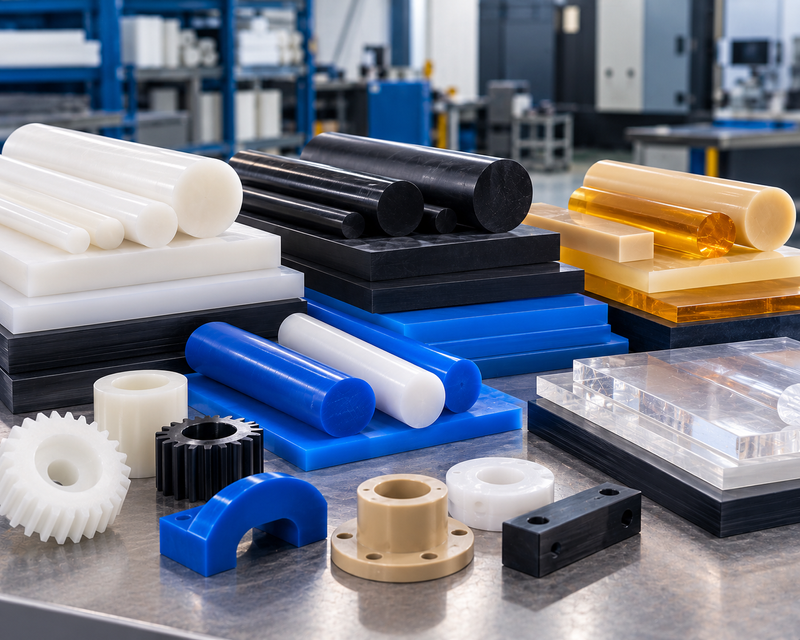
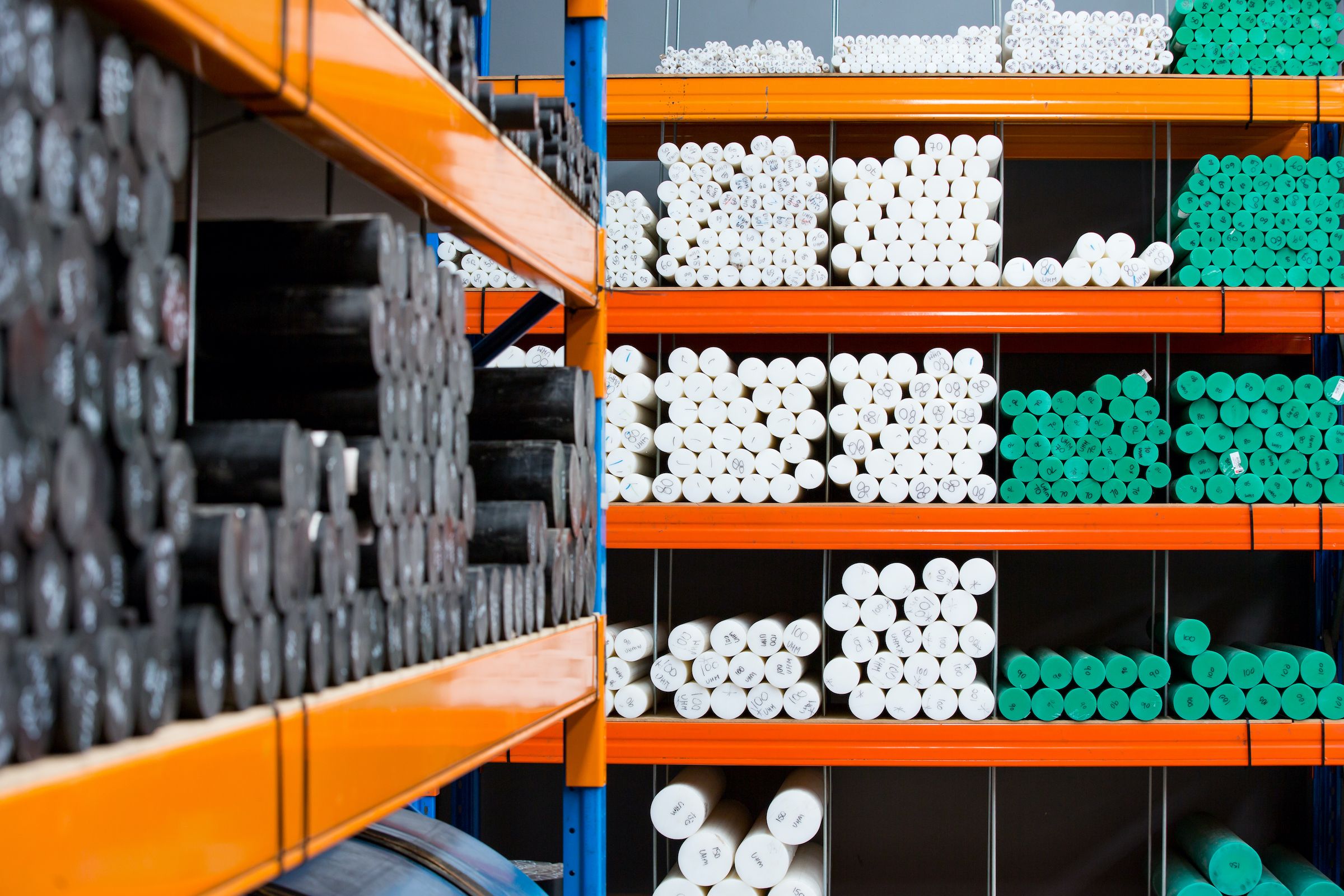
Common grades of UHMWPE include: reprocessed UHMWPE, anti-static UHMWPE, food-grade UHMWPE, etc.