At a glance
- UHMWPE absorbs negligible moisture, helping components keep their shape, precision, and reliability in wet and humid environments.
- It maintains strength and wear performance even when exposed to water, slurry, and constant wash-downs.
- Its naturally low-friction surface supports smooth slurry movement, reducing drag, build-up, and cleaning effort.
- UHMWPE is widely used in moisture-prone applications such as food-processing equipment, conveyor systems, marine components, and wastewater facilities.
Moisture, humidity, and constant water exposure are common conditions across many industrial operations. If critical machinery and mechanical components are not suited to moisture, they may experience swelling, corrosion, accelerated wear, and dimensional changes. Over time, this impacts performance, reliability, and the lifespan of critical components.
Metals, timber, rubber, and general-grade plastics often struggle in these settings. They may rust, absorb moisture, soften, or lose their strength, resulting in higher maintenance demand and increased operating costs. UHMWPE stands apart from other materials by retaining strength, shape, and low-friction properties even when exposed to water, humidity, and corrosive environments.
In this blog, we explore why UHMWPE performs well in wet and humid environments. We will also discuss the properties that make it an effective choice for tough industrial applications.
What are UHMWPE Plastics?
Ultra-High Molecular Weight Polyethylene (UHMWPE) is a high-performance engineering plastic designed for demanding mechanical applications. It is made from extremely long polymer chains that are tightly bonded to one another. This structure gives UHMWPE outstanding abrasion resistance, exceptional toughness, and a long wear life under continuous movement and load.
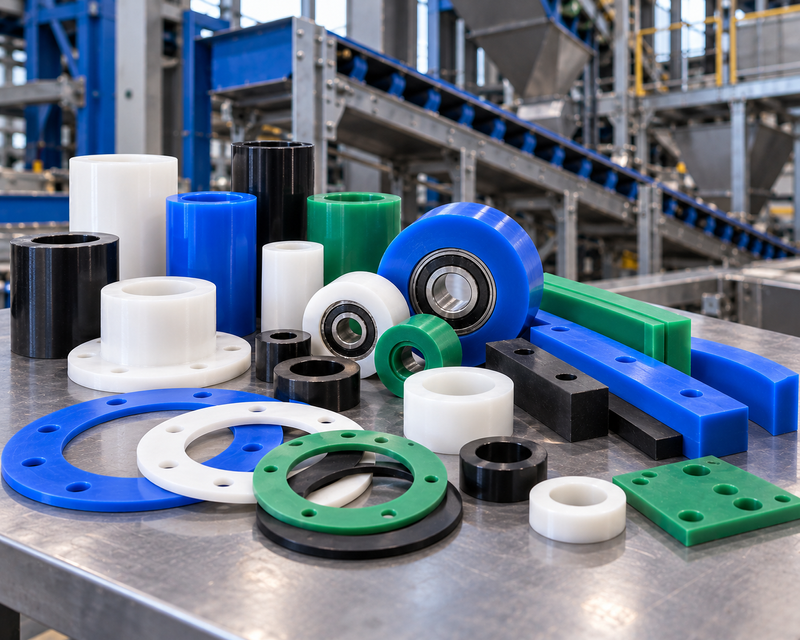
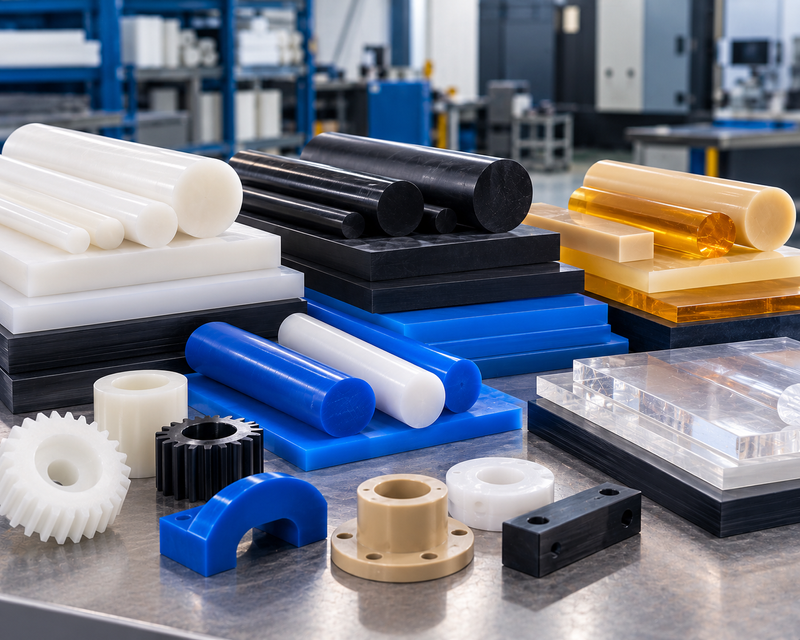
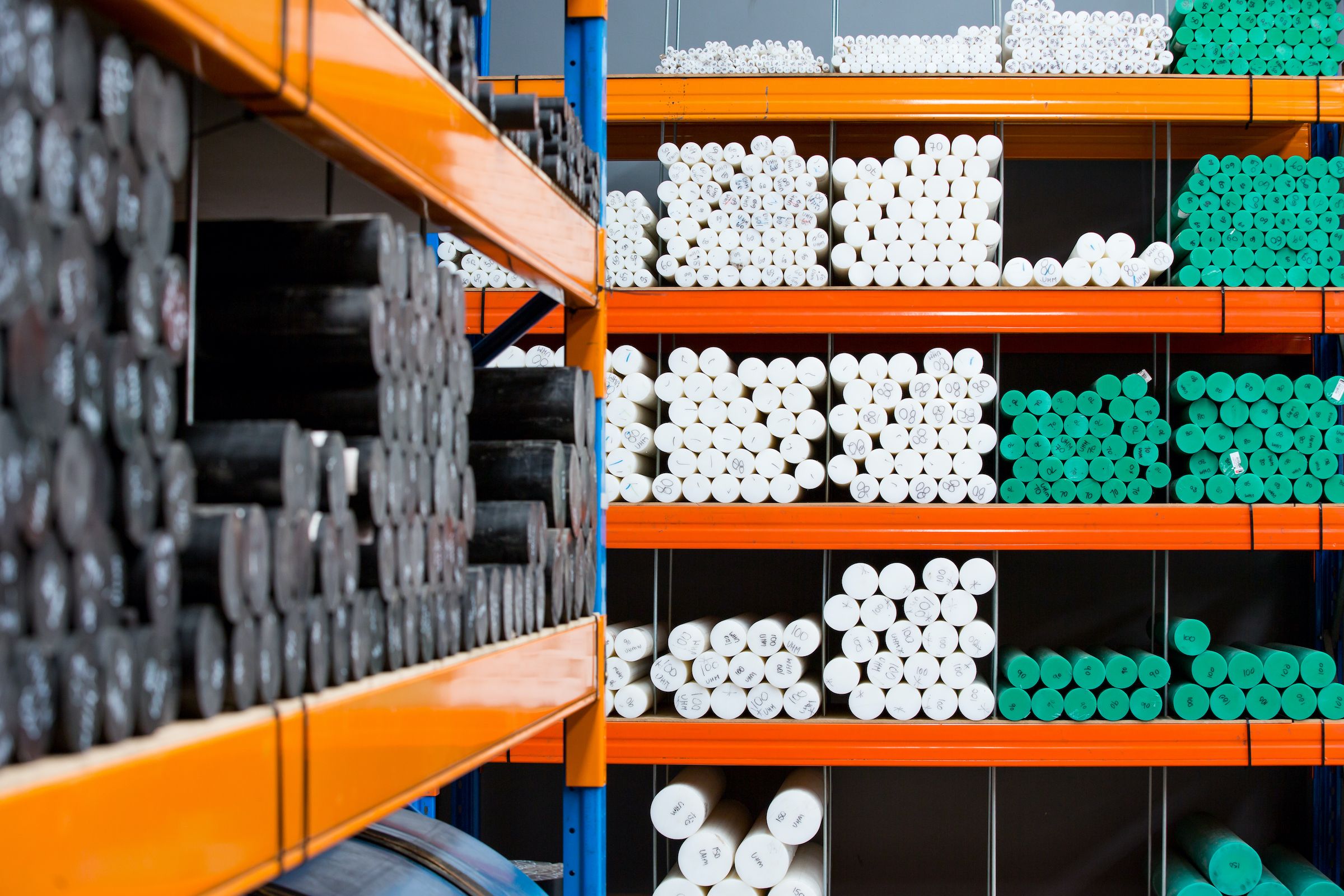
UHMWPE is generally available in two forms: sheet and rod. You can cut or shape these materials into liners, wear strips, bearings, chute panels, and many other components for industrial systems. Its low-friction surface helps reduce drag and minimise material build-up in sliding or contact applications.
Industries choose UHMWPE when components need to perform reliably around water or high-humidity environments. This makes UHMWPE a reliable material in transport, bulk handling, wastewater systems, marine operations, and any environment where wet conditions are common.
Read More: Introduction to UHMWPE: Understanding the Basics
What Makes UHMWPE Ideal for Wet and Humid Conditions
The following properties of UHMWPE highlight why it remains a preferred engineering plastic for wet and humid-prone industrial environments:
Extremely Low Water Absorption Rate
UHMWPE’s dense molecular structure acts as a barrier to moisture, preventing internal breakdown and softening and keeping components precise and reliable after repeated contact with water. The moisture resistance of UHMWPE helps extend the service life of components in wet, humid environments.
Because its porosity is extremely low, moisture cannot penetrate the polymer structure. Machined UHMWPE sheets, rods, and liners maintain their shape, which prevents misalignment or premature wear in critical wet-area components. In equipment housings or slurry handling systems, this material property helps maintain reliable part clearances and predictable material performance in high-humidity environments.
Maintains Mechanical Strength When Wet
While many materials soften or lose structural strength when exposed to moisture or submerged, UHMWPE retains its mechanical stability. Its non-absorbing structure prevents softening and dimensional change, allowing parts to maintain load performance and structural reliability even in continuous water or slurry contact. This makes UHMWPE ideal for wet environments where components must stay stable under constant moisture.
UHMWPE provides stable performance in paddles, conveyors, wear blocks, and load-bearing components operating in humid environments.
Naturally Low-Friction Surface for Wet Slurry Movement
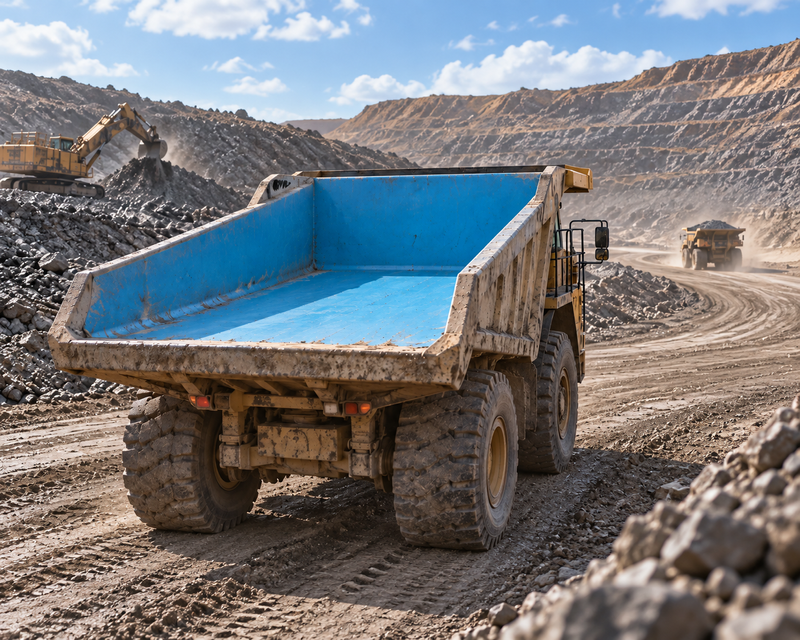
Even when exposed to moisture or saturated loads, UHMWPE’s low-friction surface helps limit drag, sticking, carryback, and surface fouling that can disrupt material flow. OKUSLIDE® UHMWPE liners use this feature directly on bulk handling surfaces, where smooth movement is essential. As a result, it reduces the likelihood of slurry sticking and buildup in hoppers, bins, truck bodies, and processing chutes.
When the load releases more freely, discharge is cleaner and more consistent. Loads empty faster, blockages are less common, and operating cycles are less affected by humidity or wet fines. In environments where moisture usually slows operations, the low-friction properties of UHMWPE maintain flow efficiency, reduce cleaning requirements, and ensure dependable performance.
Resistant to Corrosion, Chemical Reaction, and Moisture Breakdown
In wet industrial environments, moisture often combines with salts, fertilisers, chemicals, and organic matter, which accelerate corrosion. Metals may rust, timber may swell, rubber may soften, and standard plastics may degrade, absorb contaminants, or become brittle. UHMWPE is a corrosion-resistant engineering plastic with a stable molecular structure. It can endure both moisture and harsh chemical conditions without breaking down on the surface.
Marine parts, wastewater systems, and humid food-processing facilities use UHMWPE due to its ability to retain strength and stability in wet, chemically aggressive environments. Its chemical resistance protects it from harsh washdowns, industrial slurries, and long exposure to humidity. Because of this, UHMWPE works well in humid environments that can damage equipment.
Read More: Can UHMWPE Be Used in the Food Industry?
Dimensional Stability Across Wet–Dry Temperature Cycles
UHMWPE maintains stable dimensions across repeated wet–dry cycles with near-zero moisture absorption. It prevents swelling, softening, or thickness changes, even when components are submerged, washed down, or exposed to high humidity. This consistency helps preserve part clearance, fitting tolerances, and surface geometry that would otherwise shift when materials are exposed to water.
UHMWPE also remains stable when temperatures fluctuate between warm, wet environments and cooler, dry conditions. Unlike Nylon, which absorbs moisture and changes shape with temperature changes, UHMWPE resists this movement, allowing equipment to run without unexpected binding, misalignment, or premature wear.
Common applications where these properties are critical include:
- Bearings, gears, and chute liners in food-processing systems.
- Liners and machined components in material handling and packaging equipment.
- Wear strips, guides, and chain elements in humidity-exposed conveyors.
- Covers and structural parts in marine installations.
- Scraper blades, paddles, and chute liners in wastewater facilities.
To explore UHMWPE applications in detail, check out this blog: Most common applications of UHMWPE.
In wet, humid environments, most materials quickly corrode, swell, and wear more rapidly. As UHMWPE absorbs negligible moisture, it maintains structural strength, resists chemical attack, and remains stable through wet–dry cycles. These combined properties make it a reliable choice wherever water, humidity, or abrasive wet loads are part of daily operations.
For operations that depend on reliable performance in moisture-affected environments, UHMWPE remains a proven solution. As a trusted engineering plastics supplier, ePOL makes it easy to order UHMWPE rods, sheets, liners, and custom-sized components. Contact us today to find the right UHMWPE solution for your application.
FAQs
Does UHMWPE require special maintenance in wet or humid environments?
No. UHMWPE does not require special maintenance in wet or humid environments because it absorbs negligible moisture, resists corrosion, and does not degrade when exposed to water. Routine cleaning is usually sufficient to maintain performance.
Are there different grades of UHMWPE, and how do I choose the right one for moisture-exposed applications?
Yes. UHMWPE is available in several grades, including general-purpose, wear-grade, anti-static, and food-contact grades. Choose the grade that suits your operating conditions: wear-grade for abrasion, anti-static for fine material handling, or food-grade for hygiene-critical areas. For more information, check out: Understanding different grades of UHMWPE.
How does UHMWPE perform compared to stainless steel or rubber in wet operating environments?
UHMWPE often outperforms stainless steel and rubber in wet conditions because it does not corrode, absorb moisture, or swell. It also offers smoother material flow and lower friction in damp environments, which helps prevent build-up and wear that can occur with rubber surfaces and metal contact points.