At a glance
- PTFE helps withstand hydrocarbons, oils, solvents and process fluids without swelling or breaking down easily.
- It maintains performance across hot processing areas, outdoor assets and changing operating conditions.
- PTFE reduces drag and wear in bushes, guide rings, slide pads and similar components.
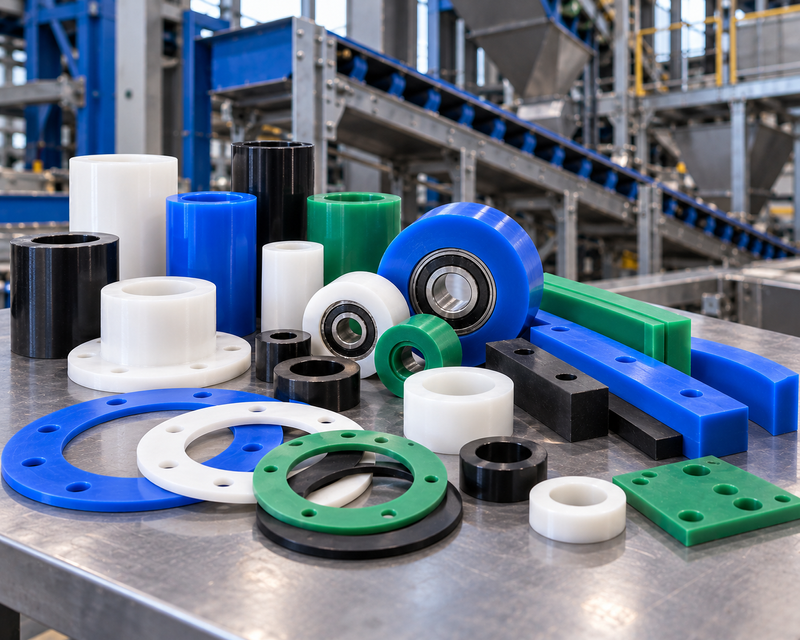
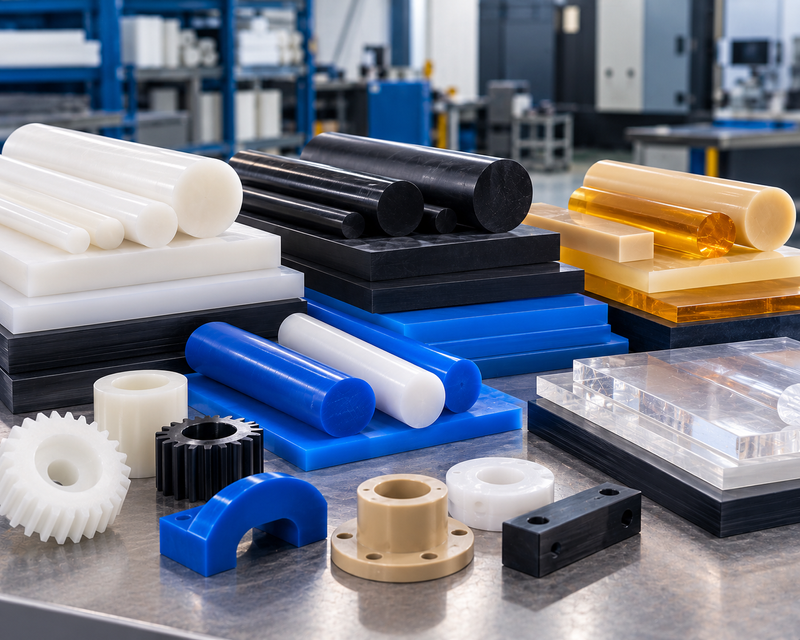
- PTFE plastic sheet and rod can be made into gaskets, seals, washers, liners and custom components.
Seals, gaskets, liners and machined components face constant demands in oil and gas environments. Equipment is regularly exposed to aggressive chemicals, changing temperatures, friction and moisture. Choosing the wrong material can lead to premature component failure and increased maintenance.
Standard plastics, rubber and even metals can struggle under these conditions, particularly where corrosive media, moving parts or temperature changes are involved. PTFE (Polytetrafluoroethylene) is a high-performance engineering plastic that performs well in these environments due to its excellent chemical resistance, low friction, thermal stability and electrical insulation.
Here are the key properties that make PTFE well-suited to demanding oil and gas applications, along with the components it is commonly used in and how those properties support long-term performance.
Resists Aggressive Chemicals and Process Fluids
Hydrocarbons, fuels, oils, solvents and other process chemicals are a daily presence on oil and gas sites. Cleaning agents and corrosive media used during maintenance can further increase these material demands, particularly in processing and refining areas.
PTFE's chemical resistance helps limit swelling, degradation and material breakdown across many of these exposures, making it well suited to harsh oil and gas applications. This chemical resistance supports more consistent performance in your components fitted around flanges, pumps and valve bodies, where chemical contact is a constant part of the operating environment.
The right grade still depends on the specific chemical mix and concentration, so you should check compatibility with unusual or highly concentrated media before specifying a part.
Maintains Stability Across Temperature Extremes
Temperature is rarely consistent across an oil and gas site. Processing areas can run hot, while offshore and outdoor assets face constant seasonal swings and shifts. Ordinary plastics can soften or turn brittle under these temperature variations. PTFE maintains its shape and performance across a wide temperature range, typically up to around 260°C depending on the grade. This makes it one of the more dependable high-temperature plastic materials used on-site.
This stability matters most for insulation components and spacers fitted near heated equipment, where dimensional consistency keeps a part working as intended. As with any engineering material, choosing the appropriate PTFE grade for the operating conditions helps ensure reliable performance over the long term.
Reduces Friction in Moving and Sliding Parts
Moving parts wear down faster when friction runs high, which means more frequent maintenance over time. PTFE's naturally low-friction surface reduces drag between contacting parts, reducing the need for constant lubrication to keep your equipment moving smoothly. As a low-friction plastic material, it holds that property even under repeated contact over time.
This property is important in bushes, guide rings and slide pads used across mechanical handling equipment. In these applications, controlled movement is often more critical than maximum strength. Lower friction at these contact points can also help limit localised heat build-up, which supports a longer working life for the part.
Helps Support Reliable Sealing Performance
Few things cost you more on an oil and gas site than a leak. It can mean a contamination risk, safety concerns or an unplanned shutdown, which is why the material in a gasket or seal matters. PTFE gaskets and seals conform under compression, helping maintain a consistent seal even as fittings expand, contract or shift slightly during operation.
Where PTFE sealing components are typically used:
- Valve seats and shut-off seals
- Pipe joint and connection gaskets
- Rotating shaft and compressor seals
- Wellhead and manifold connections
- Tank and vessel sealing components
Provides Electrical Insulation in Exposed Conditions
Mechanical wear is not the only cause of failure on a processing site. Instrumentation, sensors and control systems are often installed in harsh or exposed environments. Moisture, heat and chemical exposure can all affect their long-term reliability.
PTFE offers excellent electrical insulation properties, making it a practical material for these PTFE oil and gas components. It is commonly machined into spacers, sleeves and washers for use around electrical and instrumentation assemblies.
Its resistance to moisture and heat also helps these components maintain their shape and continue to perform reliably through repeated exposure.
Can Be Machined Into Custom Industrial Components
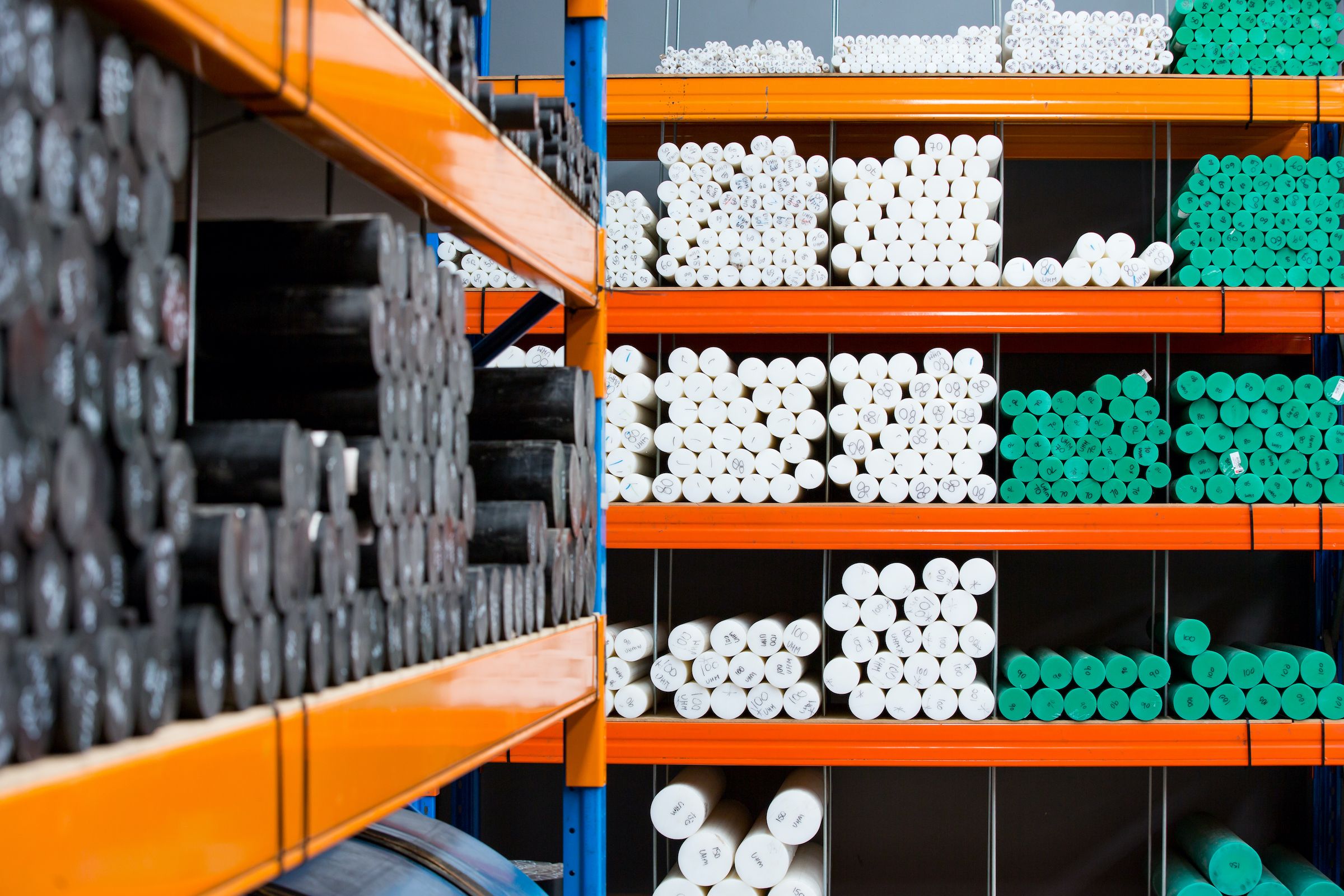
Standard pre-made parts cannot always meet the unique dimensions or performance requirements found in oil and gas equipment. PTFE plastic is available in sheet and rod forms and can be precision machined to meet application-specific requirements. This makes it a practical choice for maintenance, equipment upgrades and replacement parts.
Achieving reliable performance depends on selecting the right PTFE material for your application. You should consider factors such as grade, thickness, tolerances, operating loads and the service environment during material selection.
PTFE performs well in oil and gas settings because its properties work together rather than in isolation. Chemical resistance limits swelling and breakdown caused by hydrocarbons and process fluids, while temperature stability maintains component dimensions under heat and cold. Its low-friction surface helps reduce wear in moving parts.
In addition, it conforms under compression to support reliable sealing and provides electrical insulation for exposed electrical and instrumentation assemblies.
Together, these characteristics make PTFE a dependable material for your components in demanding operating conditions. Whether used for new equipment, maintenance or replacement parts, selecting the right PTFE grade helps support reliable performance.
As a trusted industrial plastics supplier in Australia, ePOL provides PTFE plastic sheets and rods for machined industrial components. You can order online or contact our team for assistance with product enquiries and material selection.
FAQs
Can PTFE be used as a replacement for rubber seals in oil and gas applications?
PTFE can replace rubber in some oil and gas sealing applications, especially where the component is exposed to aggressive chemicals, hydrocarbons, high temperatures or repeated movement. Its chemical resistance and low-friction surface help reduce material degradation, sticking and wear in harsh operating conditions.
How do I choose between a PTFE sheet and a PTFE rod for a custom part?
PTFE sheet is usually chosen for flat parts such as gaskets, liners, strips and washers. PTFE rod is better suited to turned or cylindrical parts such as bushes, spacers, sleeves and machined valve components.
When should you choose PTFE instead of metal components?
PTFE may be a better choice than metal where chemical resistance, low friction, electrical insulation or corrosion resistance is more important than structural strength. It is commonly used for seals, bushes, washers, liners and valve parts in harsh industrial environments.