At a glance
- Thermoplastics soften with heat and harden on cooling, while thermosets cure into a permanent structure.
- Engineering thermoplastics suit machined and moving parts, due to strong wear and low-friction properties.
- Each grade suits different conditions, including chemical exposure, impact and elevated temperatures.
- The right thermoplastic depends on the application, including load, wear, friction and temperature.
Not all industrial plastics behave the same way under heat or load. Materials used in engineering applications belong to different polymer families, with thermoplastics and thermoset plastics standing as the two major categories.
Both categories can be engineered to handle demanding conditions, but their molecular structures cause them to behave differently during heating, processing and reshaping.
Thermoplastics soften when heated and harden again as they cool, allowing them to be reheated and reshaped under suitable processing conditions. In contrast, thermoset plastics undergo a curing reaction that permanently cross-links their structure, meaning they cannot be remelted or reshaped once cured.
Below, we explain the differences between thermoplastics and thermoset plastics, covering how their structures differ. Then we go through why thermoplastics are used across such a broad range of engineering applications.
What Are Thermoplastics and Thermoset Plastics?
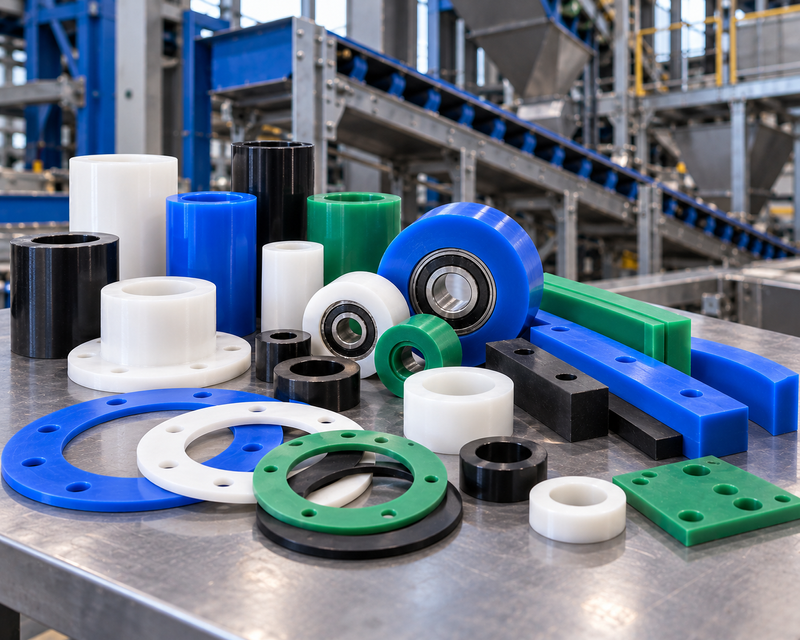
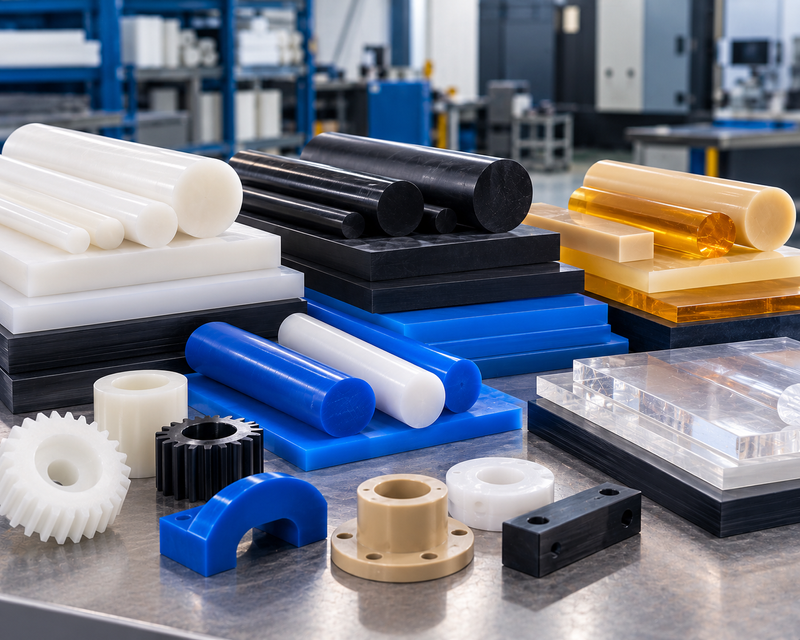
Thermoplastics are polymers that soften when heated and harden upon cooling, allowing them to be reshaped during manufacturing. This behaviour comes from their polymer chains, which stay separate and can move against one another when heated. Depending on the material and grade, engineering thermoplastics can offer properties such as wear resistance, low friction, chemical resistance, impact resistance or dimensional stability. Common examples include Acetal, Cast Nylon, HDPE, PEEK, PEI, PET, Polycarbonate, PTFE and UHMWPE.
Thermoset plastics, by contrast, undergo a curing reaction that locks their molecular structure permanently in place. Once cured, they retain their permanent structure and cannot be remelted or reshaped; sufficiently high temperatures eventually cause degradation instead. This is why thermosets are typically formed and cured directly into their final shape rather than reprocessed later. Common examples include epoxy resins, phenolic resins, melamine-formaldehyde and thermosetting polyester resins.
Understanding the difference between thermoplastic and thermosetting plastics helps explain how each material responds to heat, handles processing and allows reshaping. The table below outlines these practical differences:
|
Factor |
Thermoplastics |
Thermoset Plastics |
|
Molecular structure |
Chains remain separate rather than fully cross-linked. |
Chains bond into a fixed, cross-linked network during curing. |
|
Response to heat |
Softens with sufficient heat and hardens again on cooling. |
Holds its cured form under heat instead of softening. |
|
Reshaping |
Can generally be reheated and reshaped under suitable processing conditions. |
Cannot be reshaped once curing is complete. |
|
Processing |
Formed using extrusion, injection moulding, thermoforming or machining. |
Shaped and set using heat, catalysts or curing agents. |
|
Material forms |
Supplied as sheet, rod or moulded components. |
Supplied as resin systems, moulding compounds or cured parts. |
These processing characteristics are among the reasons thermoplastics are widely used across engineering applications.
Why Are Thermoplastics Widely Used in Engineering Applications?
Several practical qualities make thermoplastics well-suited to engineering applications, from their ease of processing to their performance in service.
Machinability for Precise Component Manufacturing
Engineering thermoplastics are commonly supplied as sheet, rod and other stock shapes that can be machined into precise, application-specific parts. Thermoset plastics can also be machined in some forms, but many thermoset systems are produced as cured or moulded components rather than machined from stock.
Acetal and PET are commonly selected where machinability, dimensional control and component accuracy matter most. They are used for gears, bushes, bearings, rollers, jigs, pump parts and valve components that require close tolerances.
Read More: What Makes Engineering Plastic Machinable?
Low-Friction and Wear Properties
Engineering thermoplastics combine low friction with strong wear performance, making them well-suited to parts that slide, rotate or repeatedly contact other surfaces. Compared with many thermoset systems, thermoplastic materials are particularly well matched to this kind of application, where reduced friction is a key design requirement.
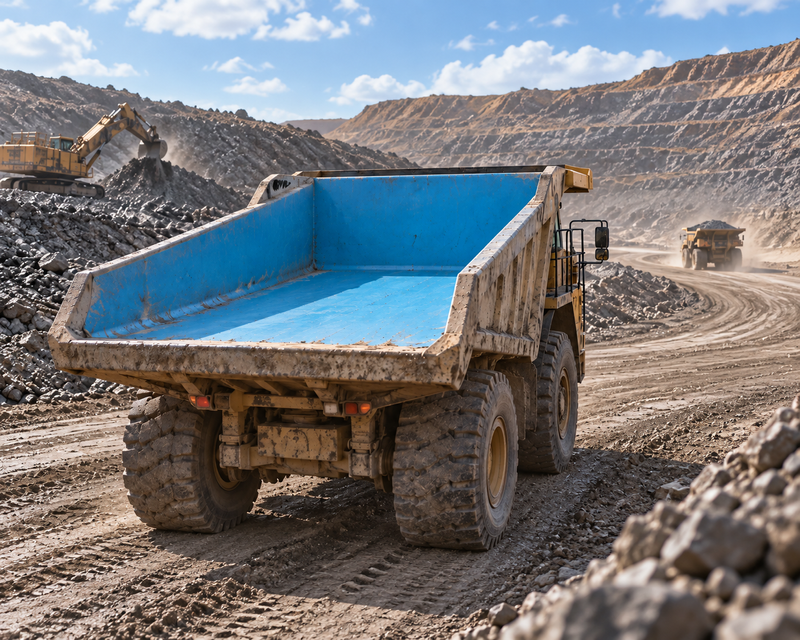
UHMWPE and Cast Nylon are commonly chosen for repeated surface contact in wear strips, chain guides and slide plates used in processing equipment.
Resistance to Chemical and Moisture
Certain engineering thermoplastics offer strong chemical resistance and low moisture absorption, although performance depends on the specific polymer, chemical, concentration and temperature involved. Thermoset materials can offer comparable resistance, but thermoplastics provide a different set of property combinations that can suit wet or chemically exposed environments.
- PTFE: Resists acids, alkalis and solvents, with very low moisture absorption; commonly used in seals, gaskets and valve linings.
- HDPE: Resists industrial chemicals and absorbs little moisture; commonly used in tanks, liners and fabricated components.
These properties make PTFE and HDPE practical choices for food and beverage, industrial wastewater and chemical processing applications.
Toughness and Impact Resistance for Demanding Components
Engineering thermoplastics are available with different combinations of strength, toughness and impact resistance, allowing designers to match material behaviour to component demands. Thermosets are often associated with rigidity and dimensional stability, whereas thermoplastics are better suited to withstanding repeated impact or shock loading.
This makes suitable grades a strong option for guide components, wear parts and impact plates in equipment exposed to routine shock loading.
Grade Options for Demanding Applications
Thermoplastic materials range from general-purpose grades to high-performance polymers developed for demanding temperature, chemical and mechanical conditions. This spread of options is one of the clearest points of difference from thermoset plastics, which tend to suit a narrower set of cured-resin properties.
PEEK is one example, combining high-temperature capability with strong mechanical performance for specialised components exposed to sustained heat or load. This grade spectrum is what gives thermoplastic applications their broad industrial reach, from routine components to specialised, high-demand parts.
Thermoplastics and thermosets differ mainly in how they respond to heat: one softens and reshapes under processing, the other locks permanently into its cured form. This flexibility, combined with machinability, wear resistance, chemical resistance and a broad range of performance grades, makes thermoplastics well-suited to many engineering applications.
Selecting the right thermoplastic requires matching its properties to factors such as load, temperature, friction, wear and chemical exposure.
If you are comparing thermoplastic options for an upcoming application, ePOL's online portal makes the process easier. As a trusted engineering plastics supplier, ePOL lets buyers compare sheet and rod materials, check live stock and order the required products more efficiently.
Contact us today to order the right thermoplastic materials for your application.
FAQs
Can thermoplastics be recycled or reprocessed?
Yes, thermoplastics can be reheated, reshaped and reprocessed because they soften when sufficiently heated. Their recyclability depends on the specific polymer, the level of contamination, any additives present and whether suitable recycling facilities are available.
Should engineering thermoplastics be bought as a sheet or rod?
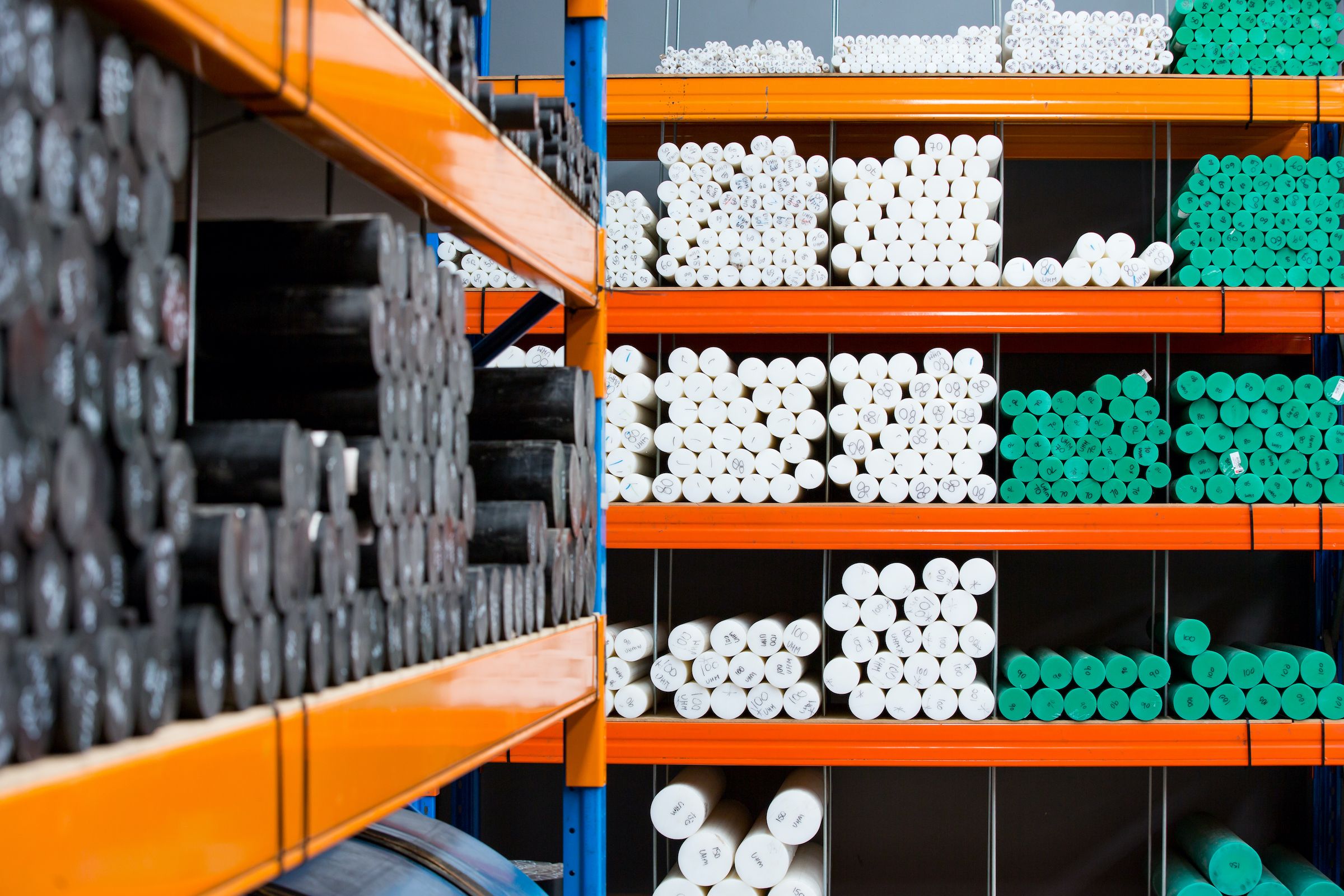
The choice depends on the shape of the finished component and how it will be machined. Sheet is often suited to liners, wear plates and flat parts, while rod is commonly suited to bushes, rollers, spacers and other turned components.
How should I choose the right thermoplastic for my application?
Choose a thermoplastic by matching its properties to the application’s load, temperature, wear, friction, chemical exposure and dimensional requirements. For example, UHMWPE may suit high-wear sliding parts, while PEEK can suit more demanding temperature and mechanical conditions.
Can engineering thermoplastics replace metal components?
Yes, engineering thermoplastics can replace metals in suitable applications where properties such as lower weight, corrosion resistance, low friction or wear performance are beneficial. Suitability depends on the component and operating conditions, as explained in the blog post: Materials that engineering plastics can replace.