At a glance
- FDA compliance applies to the specific material grade and formulation, not simply the polymer name.
- Food-contact suitability needs checking alongside wear, load, temperature and chemical resistance.
- Clear grade verification helps reduce substitution risks during purchasing, maintenance and replacement.
- Australian businesses must consider FSANZ requirements alongside FDA compliance, not treat one as a replacement for the other.
A plastic component can meet every mechanical requirement and still be the wrong choice for a food-processing line. Strength, wear resistance and machinability alone do not show whether the formulation is suitable for food-contact use.
Terms such as “food grade”, “FDA compliant” and “FDA approved” are often used interchangeably, which can create uncertainty when specifying FDA-compliant engineering plastics.
If you run a food business in Australia, FDA requirements sit alongside local food-safety standards and regulatory obligations.
Knowing what FDA compliance means, where it matters in food-processing equipment and what it tells you about a material makes selecting food-contact plastics more straightforward. It also helps distinguish regulatory compliance from other engineering considerations such as mechanical performance, operating conditions and application suitability.
What Does FDA Compliance Mean for Engineering Plastics?
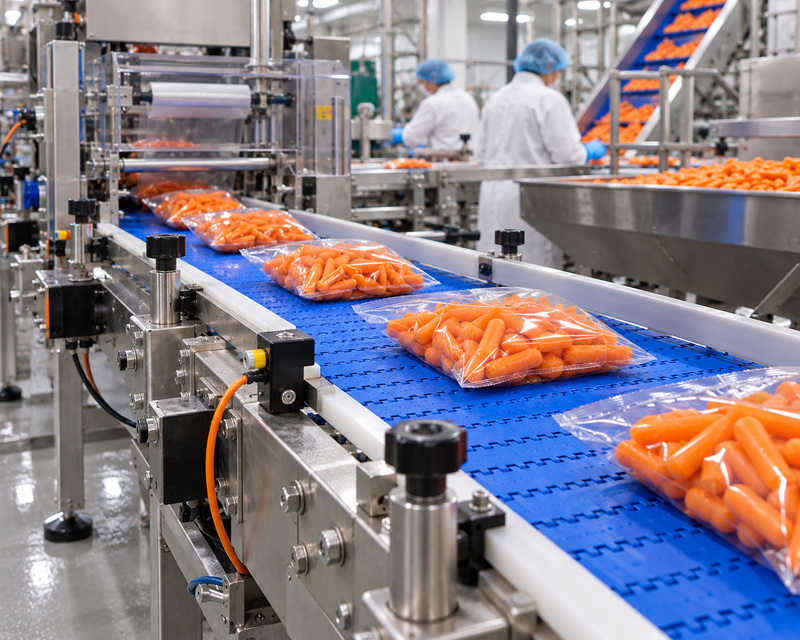
FDA requirements can apply to food-contact substances used in materials that touch food, not only in food packaging. The FDA’s food-contact framework covers substances used in applications such as food packaging, processing equipment and food-preparation surfaces. This can bring plastic components on a food line, such as wear strips, guides and bushes, into scope when they contact food.
FDA compliance is not a blanket approval of an entire plastic family. The FDA states that the status of a food-contact material depends on each substance it contains, including its identity, specifications and permitted conditions of use. Many polymers are addressed under 21 CFR Parts 174 to 179, with polymers specifically covered in Part 177. Other regulatory pathways exist too. An effective Food Contact Notification (FCN), for example, covers only the manufacturer named in it. The FDA’s guidance on determining the regulatory status of components of a food contact material explains how each component is assessed.
FDA compliance does not replace Australian food-safety requirements. In Australia, your materials should also be assessed against the Australia New Zealand Food Standards Code developed by FSANZ. FDA compliance can support material selection, but equipment must still meet applicable local requirements for food-contact surfaces, hygiene and contamination control.
Why Is FDA Compliance Important in Food Processing?
FDA compliance matters across several aspects of food-processing applications, from direct food contact to customer and manufacturer requirements. The main reasons include:
Helps Control Risks from Food-Contact Materials
Substances in plastic components may migrate into food, so formulation matters alongside strength and wear resistance. FDA-compliant engineering plastics have a regulatory basis for their specified food-contact use, which gives food processors a clearer way to assess suitability.
This is particularly relevant for parts that regularly contact food, such as conveyor guides, wear strips and star wheels. If you choose a material without checking its food-contact status, you can introduce avoidable contamination risk and make the decision harder to justify during customer or audit reviews.
Supports Better Equipment Component Selection
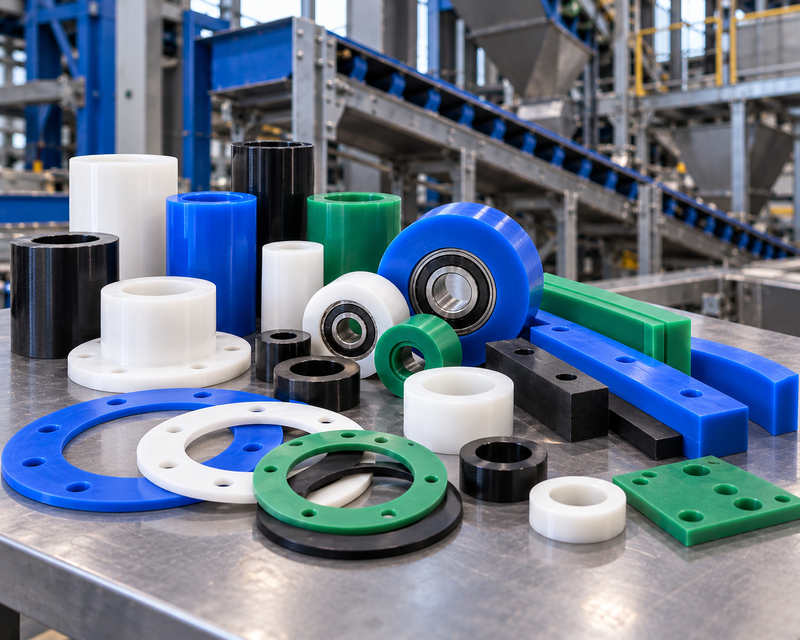
Small machine components call for careful material selection too when they touch food. Bushes, bearings, scrapers and valve components each need a grade suited to the processing environment, so you should consider food-contact plastics for these parts as well as for larger surfaces.
Compliance is only one part of the specification. It does not establish that a material has the wear, load, temperature or chemical resistance a component needs. Comparing the mechanical and thermal properties of each engineering plastic alongside its food-contact status helps avoid selecting a compliant plastic that wears prematurely and increases maintenance or downtime.
Improves Material Traceability and Grade Verification
Colourants, additives and processing aids can change a material's regulatory status. Verifying compliance is therefore a purchasing step, not an assumption.
Depending on the material and its regulatory basis, documentation may identify:
- The exact grade and colour.
- The manufacturer or supplier, where relevant to an FCN.
- The permitted food-contact use and applicable limitations.
- Batch or lot information where traceability records are provided.
The FDA notes that manufacturers may provide a letter of guarantee covering a product’s intended food-contact use. If you source certified engineering plastics, filing this letter with the specification gives you a record to show customers or auditors on request.
Reduces Risk During Replacement and Maintenance
Replacement and maintenance are common points where material specifications can change unintentionally. Similar-looking components may use different grades, additives or formulations, so a replacement that matches in colour, dimensions or mechanical performance may not have the same food-contact compliance.
Recording the required food-contact specification for each component helps maintenance and procurement teams source the correct material consistently.
Frequently replaced parts such as scrapers, guides and wear strips carry extra risk, because an unsuitable substitution can be repeated across several maintenance cycles before anyone identifies it.
Helps Meet Customer and International Requirements
Some customers and export markets require FDA-compliant plastics in the equipment and components they buy or use. A supplier or equipment builder that can show compliance may avoid redesigning or re-sourcing parts late in a project.
Local rules still apply, so FDA compliance should sit alongside the Australia New Zealand Food Standards Code instead of replacing it. Confirming which framework a customer means also prevents you from specifying a material against the wrong requirement.
If you are comparing material options for food-processing applications, this guide to FDA-compliant plastics used in food and beverage applications provides a useful overview of commonly specified choices.
FDA-Compliant Plastics at a glance
Commonly specified FDA-compliant plastics each bring a different strength to food-contact applications:
|
Material |
Key strength |
|
UHMWPE |
Wear resistance and low friction |
|
HDPE |
Moisture and chemical resistance |
|
Acetal |
Dimensional stability |
|
PTFE |
Low friction and chemical resistance |
|
PEEK |
High-temperature performance |
For a deeper comparison of these material options, explore FDA-compliant engineering plastics for food applications.
FDA compliance matters when engineering plastics are specified for food-contact use, but it applies to a specific material grade and formulation, not to a polymer by name. It supports contamination control, component selection, grade verification and customer requirements. These considerations must also be balanced with operating demands such as wear, load and temperature.
FSANZ requirements still apply locally, so FDA compliance should inform your specification without replacing those obligations.
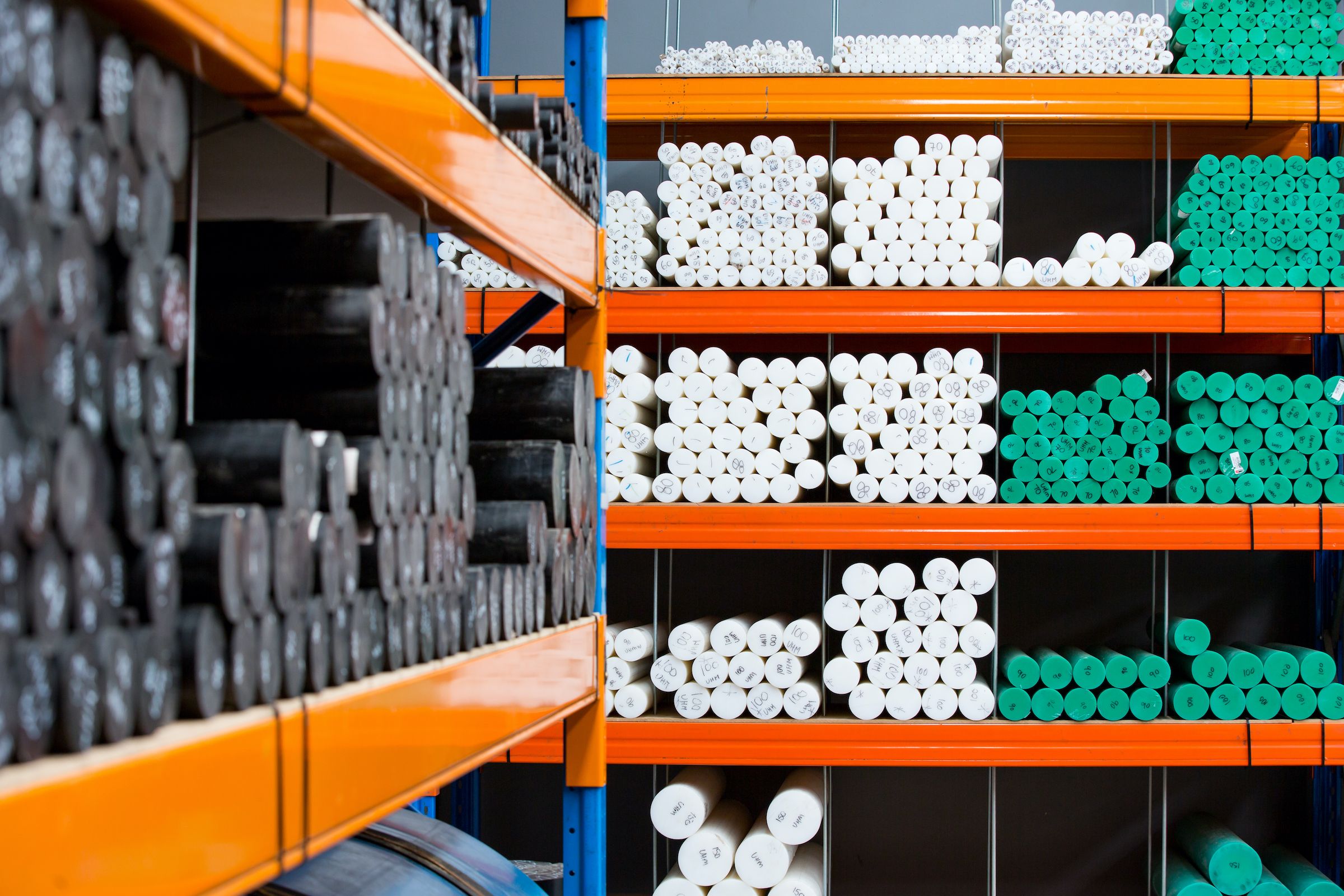
Once you have confirmed the grade your application needs, ePOL’s online portal makes it easier to compare engineering plastic sheets and rods, review product details, check current stock where available and order online. Contact our team to discuss your material requirements.
FAQs
What should you check before choosing an FDA-compliant plastic?
Confirm the exact material grade, intended food-contact conditions, temperature, chemical exposure and supporting compliance documentation. You should also make sure the plastic’s wear, load and dimensional properties suit the component and operating environment.
Can recycled engineering plastics be used for food-contact applications?
Yes, but suitability depends on the recycling process, material purity, source controls and intended conditions of use. The FDA evaluates recycled plastics for food-contact applications based on factors such as contamination risk and migration.
Can cleaning chemicals affect which food-contact engineering plastic you should use?
Yes. Detergents, sanitisers and repeated chemical exposure can affect a plastic’s surface, dimensions and service life, so check chemical resistance alongside food-contact compliance. Compare suitable engineering plastics for chemical processing.
Can FDA-compliant plastic be machined into custom food-processing components?
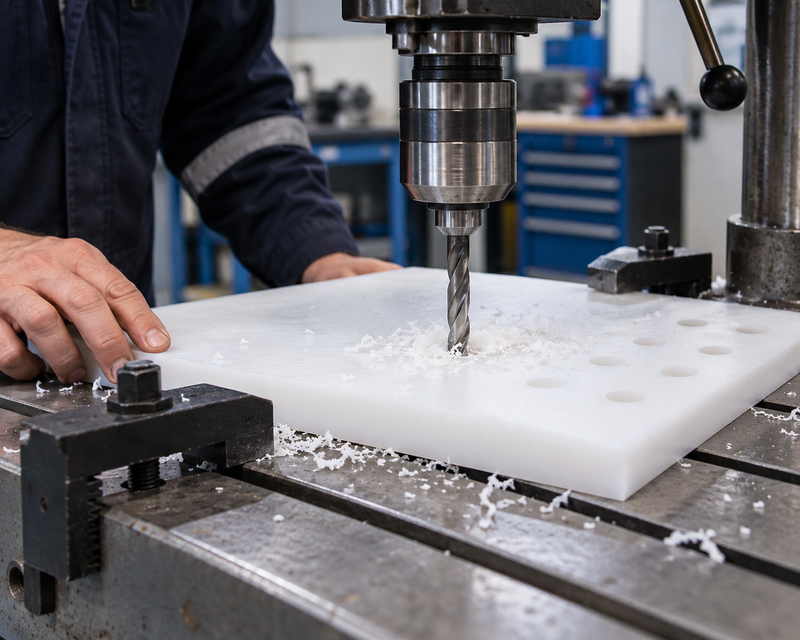
Yes. Many FDA-compliant engineering plastics can be machined into custom guides, bushes, rollers and other components as long as you keep to the specified compliant grade. Material properties also influence engineering plastic machinability and the quality of the finished part.