At a glance
- The right thickness of liners depends on the equipment application, not just the size.
- Thinner liners may suit lower-abrasion work, while thicker options are better suited to heavier wear, impact and high-cycle use.
- Material type, loading method and operating frequency all affect how quickly a liner wears.
- Although thicker liners can offer more wear allowance, they may also increase weight and cost when the application does not require them.
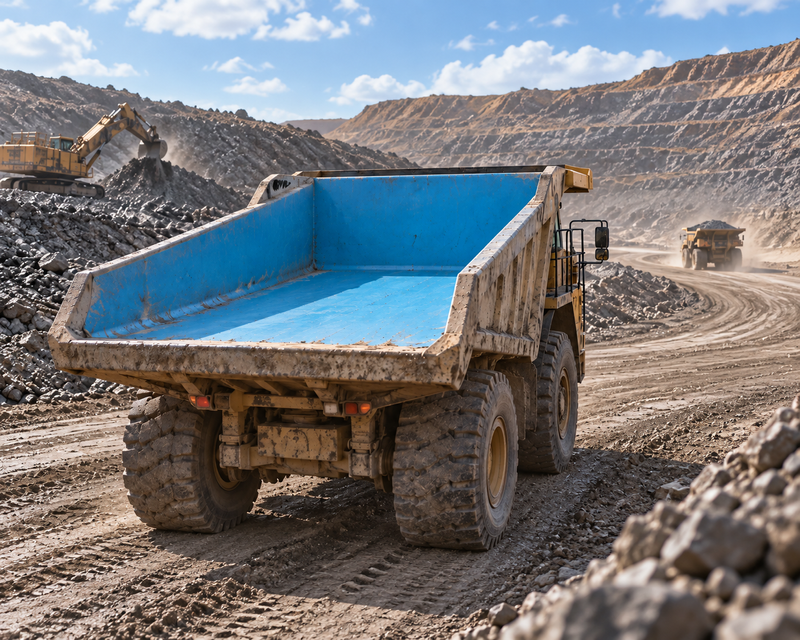
You already know that OKUSLIDE® liners protect your truck, trailer, hopper and bulk-handling equipment from abrasion, impact and material hang-ups. What you may not know is which thickness suits your application.
Different loads and exposure levels place different demands on a liner, and choosing the wrong thickness works against you either way. Choose too thin, and the maintenance requirements occur sooner. Going for the thickest option may seem like the safest choice, but it adds extra weight and cost without improving performance. The right thickness depends on the type of material carried, how often the equipment operates and how that material is loaded.
Here are the key factors to consider when choosing a suitable OKUSLIDE® thickness for your application.
Why Is Choosing the Right OKUSLIDE® Liner Thickness Important?
The thickness you select directly affects how well the OKUSLIDE® bed liner protects the underlying truck or trailer body over time.
If you pick too thick, you will be paying for a liner that adds unnecessary weight to your truck or trailer, cutting into how much payload you can legally carry on every trip. Over time, that extra weight also pushes up fuel consumption, adding a cost you carry on every job the liner is fitted to, all without giving you any real benefit in return.
Installing a thinner liner may seem cost-effective at first, since it costs less. But under regular impact and abrasion, it can crack, deform or wear through faster than expected, exposing your truck or trailer body to the same damage it was meant to prevent. Moreover, you are looking at early replacement, unplanned downtime and repair costs on top of the body damage itself.
This is why thickness selection is a balancing exercise rather than a single fixed answer. Wear life, impact resistance, payload weight and liner cost all trade off against each other, so the right choice depends on how you prioritise them for your operation.
What Should You Consider When Choosing the Right OKUSLIDE® Liner Thickness?
Rather than applying the same thickness to the equipment on different jobs, consider the following factors when selecting the right thickness:
Load Material and Abrasion Level
Material hardness is usually the first factor to assess, since it sets the baseline wear rate that the liner must withstand. Coarse, sharp-edged or dense materials wear a liner surface much faster than fine or rounded materials do. That is why you should base truck body liner thickness on what you are actually carrying, rather than on a general size or use assumption.
Most thickness decisions go wrong here, either by underestimating how quickly abrasive material cuts into a thinner liner or by defaulting to the thickest option out of caution. Matching thickness to the abrasion level keeps wear proportional to your actual working conditions, giving you a more accurate starting range before you factor in impact or frequency.
- 6mm–10mm: lower-abrasion loads such as sand or road base.
- 12mm–15mm: moderate abrasion, including gravel and aggregates.
- 20mm–25mm: highly abrasive loads such as ore, rubble and construction waste.
Impact Pressure During Loading
Abrasion measures how material wears a surface over time, but impact is a separate concern. It relates to the force generated when heavy material is dropped or tipped into the truck body. A liner sized correctly for abrasion can still be undersized for heavy impact loads, which is why impact needs its own assessment.
When heavy materials such as rock or demolition material are dropped into the truck body from a height, the liner is exposed to greater impact. Choosing a thicker liner can help absorb the shock and reduce the risk of cracking or deformation.
- 15mm, 20mm and 25mm are commonly considered for heavier-impact applications, such as rock, demolition material or loads dropped from height.
- Gently loaded or conveyor-fed material generally does not need extra thickness for impact reasons alone.
Read More: How OKUSLIDE® Handles Heavy Impact Loads
Operating Frequency and Load Cycles
The frequency of vehicle operation directly affects the rate of liner wear, even when the material and impact level remain the same. A liner that goes through several loading and unloading cycles each day experiences more cumulative stress than one used only occasionally. That is why you should consider operating frequency alongside material type and impact, rather than as a separate starting point.
For instance, a dump truck bed liner thickness of 12mm may be suitable for occasional use, but the same application may require 15mm if the vehicle is completing daily quarry cycles, even when the material being carried has not changed.
The same principle applies to trailer liner thickness, where more frequent load cycles can justify choosing a thicker liner than the material alone would indicate.
Application Type and Operating Environment
The operating environment often determines where a given application sits within the working thickness range. Agricultural and lighter bulk handling work generally falls within the lower to mid range of OKUSLIDE® thicknesses. Construction, quarrying and mining applications often require thicker options once you have considered material, impact and operating frequency together.
This is less a fixed rule and more a practical checkpoint before confirming the OKUSLIDE® thickness suited to your operation.
Choosing the ideal OKUSLIDE® thickness comes down to matching the liner to the application rather than defaulting to the thickest option available. Material type, abrasion, impact, operating frequency and the operating environment all influence thickness selection.
Weighing these factors together helps you land on the most suitable thickness. Lighter-duty applications generally suit the lower end of the thickness range, while more demanding, high-cycle applications typically require thicker liners.
Comparing available OKUSLIDE® thicknesses through ePOL, an established online engineering plastics supplier, makes it easier to match the right option to your truck, trailer or equipment before ordering. Contact us today to get started.
FAQs
Can OKUSLIDE® be installed on an existing truck or trailer body?
Yes. OKUSLIDE® can be installed on an existing truck or trailer body, provided the body is clean, suitable for lining and structurally sound. Existing wear, surface condition and fitment requirements should be checked before choosing the liner thickness.
Is OKUSLIDE® suitable only for tipper trucks, or can it be used in other bulk handling equipment?
OKUSLIDE® is not limited to tipper trucks. It can also be used in trailers, dump trucks, bins, hoppers, chutes and other bulk handling equipment where material flow, sticking, abrasion or impact are concerns.
Does OKUSLIDE® thickness affect payload?
Generally, yes. OKUSLIDE® thickness can affect payload because thicker sheets add more material weight to the truck or trailer body. The right thickness should provide enough wear and impact protection without adding unnecessary weight for the application.
Should you choose OKUSLIDE® instead of metal truck body liners?
Yes, OKUSLIDE® is often a practical alternative to metal truck body liners when you need smoother material release, fewer hang-ups, corrosion resistance and reliable wear protection. Its low-friction UHMWPE surface can help improve discharge performance in many bulk handling applications, especially where sticking and abrasion are ongoing issues.