At a glance
- UHMWPE thickness directly affects durability, wear life, fabrication and overall performance.
- Key factors like load type, abrasion level and application type determine whether thinner or thicker sheets are suitable.
- UHMWPE thickness typically ranges from 3–12mm for sliding surfaces, 10–30mm for liners and 30–50mm+ for machined or high-impact uses.
- Matching thickness to real working conditions helps reduce downtime and extend service life across industrial applications.
UHMWPE sheets are commonly used in industries where surfaces experience constant movement, abrasion and impact. While UHMWPE is known for its low friction and durability, thickness plays a bigger role in determining performance and service life. Choosing the right thickness is crucial because it directly affects performance and wear life.
Most businesses understand that UHMWPE improves wear performance, yet choosing the right thickness can be confusing. A sheet that is too thin may wear out quickly or flex under load, particularly when it lacks adequate structural support. On the other hand, a sheet that is too thick can add extra weight and cost.
In this blog, we discuss how UHMWPE thickness varies by application and the key factors that influence the right choice. This information will help you select a solution that ensures long-term reliability and efficiency.
Key Considerations for Selecting UHMWPE Thickness
Before choosing UHMWPE with the right thickness, consider the following factors to ensure optimal performance and durability in your application.
- Load and Impact Level: When equipment handles heavy loads or repeated impacts, increased thickness acts as a safeguard against performance degradation. Static pressure, sudden drops and continuous product flow stress the material over time. Thicker UHMWPE absorbs impact better, while thinner surfaces are reliable for lighter-duty environments.
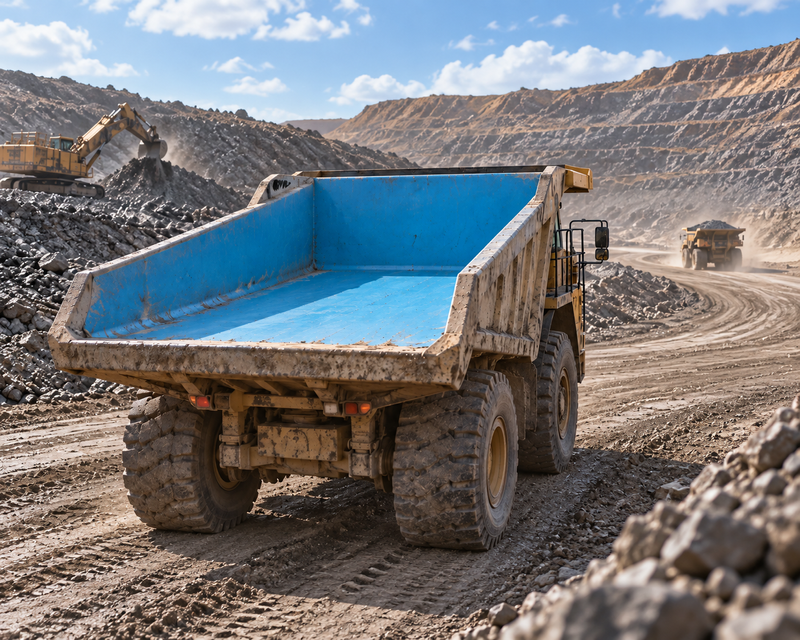
- Type of Application (Sliding vs Structural): Not every UHMWPE sheet needs to carry weight. Sliding surfaces like guide rails focus on reducing friction, so thinner sheets often work well. In contrast, structural components like liners and wear plates require thicker sections to provide stability and prevent movement or deformation.
- Support and Mounting Conditions: A liner that is fully supported by steel or another solid surface can work well even if it is thinner. Conversely, choosing a thicker sheet helps maintain shape and prevents bending when there's no support beneath it.
- Flexibility and Fabrication: In some cases, the shape and installation can also influence the thickness you choose. Thinner UHMWPE is easier to cut, bend and thermoform, making it ideal for custom components. This flexibility can simplify fabrication while still delivering reliable wear performance.
- Abrasion and Wear Rate: In environments where surfaces are constantly exposed to grit, friction or moving materials, wear occurs slowly but steadily. Increasing sheet thickness provides a deeper wear layer, which can extend replacement intervals.
Which UHMWPE Sheet Thickness Is Best for Your Application?
With key considerations in mind, the next step is to examine how thickness translates across different industrial plastic sheet applications. Here are some of the most common applications and typical UHMWPE sheet thickness ranges to guide your selection:
Food Processing: Bearings & Liners
In food plants, UHMWPE is often selected as a low-friction plastic to improve smooth product transfer and reduce sticking. For wear strips and sliding surfaces, the goal is typically clean, predictable movement. Slimmer sheets perform well when mounted on a strong base and when heavy impacts are not expected.
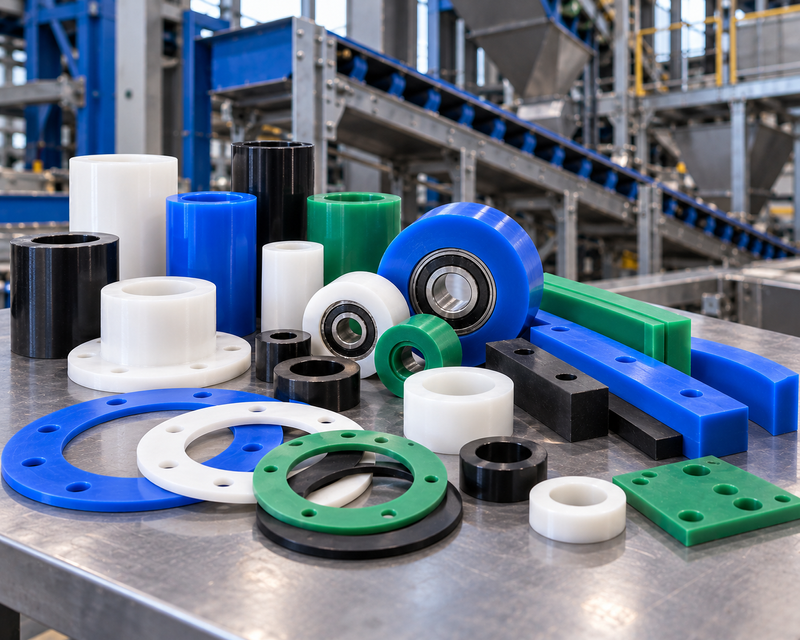
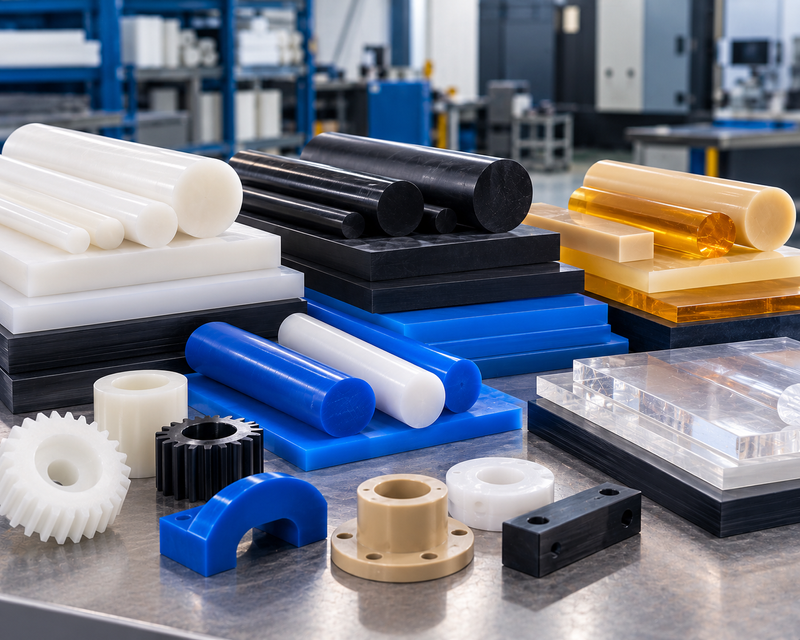
The situation changes when machining UHMWPE components, such as gears, sprockets or bearing-style parts. These require more material so the finished shape can handle loads without weakening important features during machining.
Suitable thickness (typical starting points):
- Wear strips/sliding faces: 3–10mm
- Chute or product liners: 10–25mm
- Machined gears/bearings: 10–50mm+
Material Handling and Packaging
Packaging lines often require consistency, quick movement, repeated contact points and many cycles. That is why UHMWPE is widely used in industrial plastic sheet applications, including wear strips, liners and guides that protect equipment surfaces. In lighter guiding roles, thin sections are common because the goal is smooth sliding, not structural support.
Anti-static grades are important in certain environments, but thickness ultimately depends on application requirements such as abrasion levels, product weight and contact intensity. For liners that endure constant rubbing or impact, you can choose a mid-thickness range, which helps maximise service life.
Suitable thickness (typical starting points):
- Wear strips/guide rails: 3–12mm
- Chute/transfer liners (including anti-static where needed): 10–30mm
- Machined gears/load-bearing parts: 20–40mm+
Conveyor System Applications
Many conveyor wear components are designed to be replaced before they cause damage to the underlying metal structure. Therefore, the goal is often to select a practical thickness for plastic conveyor liners. This thickness should provide enough material to withstand wear without making replacements slow or unnecessarily costly.
Thin wear strips can work well when contact loads are moderate and the strip is well supported. Chain guides and guiding faces require thicker materials because they are subject to constant pressure and tracking forces.
On the other hand, gear-like parts belong to a different category. These parts usually start as thicker plates to enable precise machining and maintain strength through the tooth profile.
Suitable thickness (typical starting points):
- Wear strips (UHMWPE sheet for sliding surfaces): 3–10mm
- Chain guides/guide rails: 6–15mm
- Gears/sprocket-style parts: 20–40mm+
Marine Applications
Surfaces in marine use are exposed to damage from both constant contact and harsh conditions. For covers, doors and protective linings, you need materials that resist impact while keeping overall weight manageable. In these situations, mid-range thicknesses often work well.
Thicker UHMWPE sheets are used in high-contact areas like boat bumpers and docking points to protect surfaces from wear and impact. Because these areas are exposed to constant rubbing and impact, they typically require thicker UHMWPE sheets.
Suitable thickness (typical starting points):
- Covers/doors/protective linings: 6–20mm
- General fixtures/handles (fabricated or machined): 10–30mm
- Fender-facing/heavy contact pads: 30–50mm
Waste Water Treatment Facilities
In wastewater treatment, UHMWPE is favoured for its abrasion resistance and ability to withstand moisture and chemicals. Continuous contact with grit, sludge and moving solids places sustained stress on liners and sliding components. This makes thickness a key factor in keeping them durable and reducing maintenance needs.
Paddles and scraper blades rely on thicker material to maintain a durable wear surface during operation. Adequate material thickness helps maintain strength and stability during operation while still allowing practical fabrication and installation. Choosing the right thickness ensures reliable performance without adding unnecessary weight or complexity.
Suitable thickness (typical starting points):
- Wear strips/sliding faces: 6–12mm
- Paddles/scraper blades: 10–25mm
- Chute liners/heavy-wear liners: 12–40mm
Read More: Most common applications of UHMWPE
Choosing the right thickness for UHMWPE sheets depends on how the material will behave in actual working conditions. Thinner sheets, around 3 to 12mm, are often suitable for sliding surfaces and areas that experience light wear. Sheets that are 10 to 30mm work well for liners and general industrial use. Thicker sheets, from 30 to 50mm and above, provide the strength and durability needed for machined parts and high-impact areas.
Instead of focusing only on sheet dimensions, it is important to consider thickness during design decisions. Balancing durability, fabrication and maintenance can help you choose practical UHMWPE solutions for your specific applications.
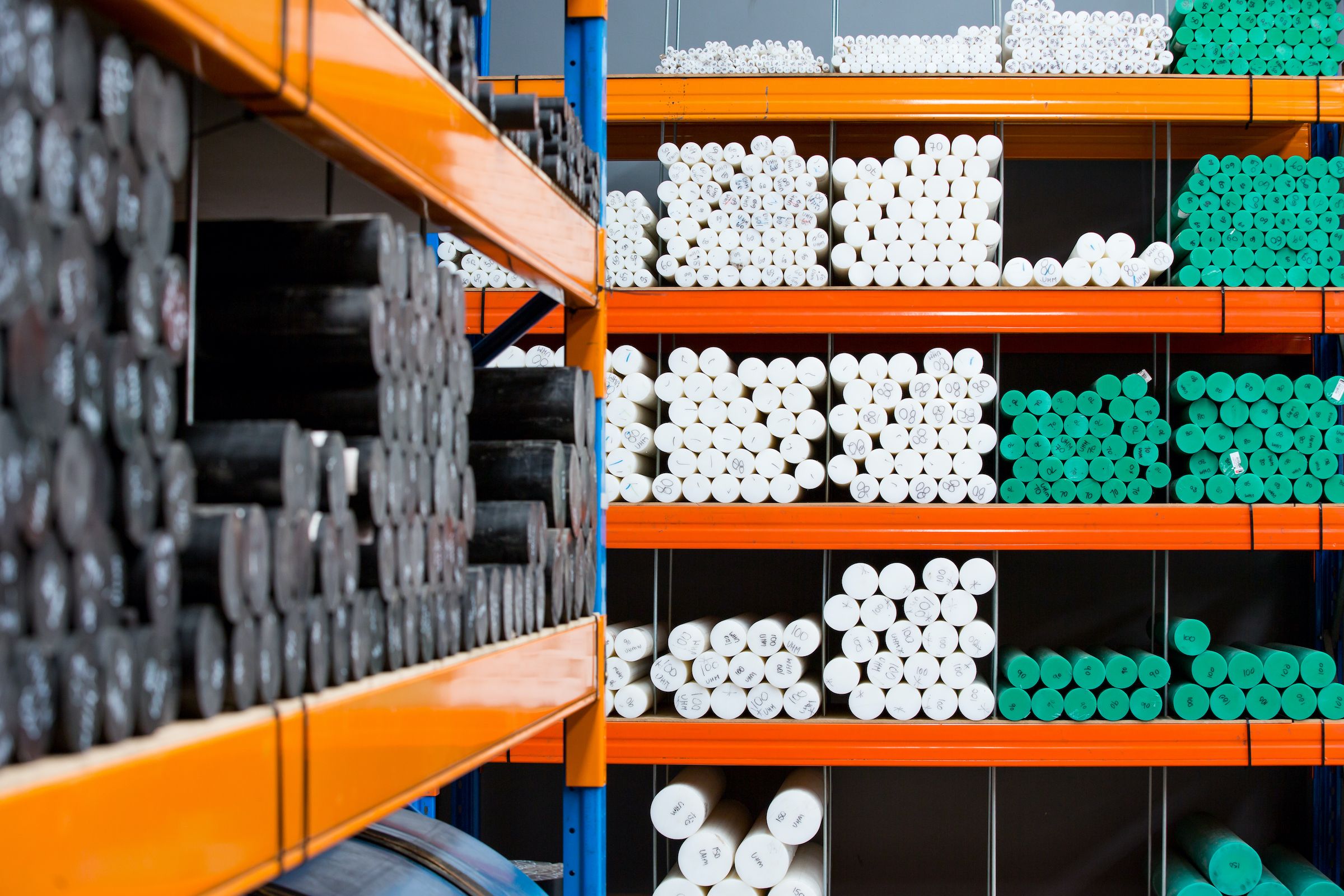
For your next UHMWPE application, ePol supplies UHMWPE sheets in a wide range of thicknesses to suit different industrial requirements. From thinner sheets for sliding surfaces to heavy-duty plates for high-wear environments, we ensure long-term wear resistance and durability.
Contact us today to get the ideal UHMWPE sheet thickness for your application.
FAQs
Can UHMWPE sheet thickness affect noise reduction in conveyor or sliding applications?
Yes, thickness can influence noise levels, but it’s not the only factor. Thicker sheets may absorb more vibration and help minimise rattling or impact noise, especially in high-contact areas. However, proper mounting and surface support also play a key role in overall noise reduction.
Is coloured or anti-static UHMWPE available in all thicknesses?
Yes, coloured and anti-static UHMWPE sheets are available across a wide thickness range, typically from 3mm to 100mm. To ensure availability and the right specification, it’s best to work with a trusted engineering plastics supplier that can provide suitable options for your project requirements.
How does UHMWPE thickness impact machining or fabrication time?
Thicker UHMWPE sheets usually take longer to machine because they require deeper cuts, more handling and additional finishing. Thinner sheets are faster to cut, drill and form, making fabrication quicker for lightweight or simple components.
What are common installation mistakes when working with thicker UHMWPE sheets?
Common mistakes include over-tightening fasteners, failing to allow for thermal expansion and installing sheets without adequate surface support. These issues can cause warping, stress cracking or reduced wear performance over time.