At a glance
- UHMWPE’s strong wear resistance can extend component life and reduce replacement frequency.
- Lower friction helps limit contact wear and reduce the need for routine lubrication.
- Corrosion resistance makes UHMWPE suited to wet and washdown environments with less maintenance attention.
- Less material build-up can mean fewer clean-outs, fewer interruptions and lower maintenance labour.
Industrial equipment relies on wear components such as liners, guides, wear strips and sliding surfaces to withstand ongoing abrasion, friction and impact.
When these components wear out, the maintenance cost often extends well beyond the price of the replacement part itself. Labour, cleaning, installation and production downtime can all add to the overall maintenance burden. A material that better withstands these conditions can help reduce some of these recurring expenses.
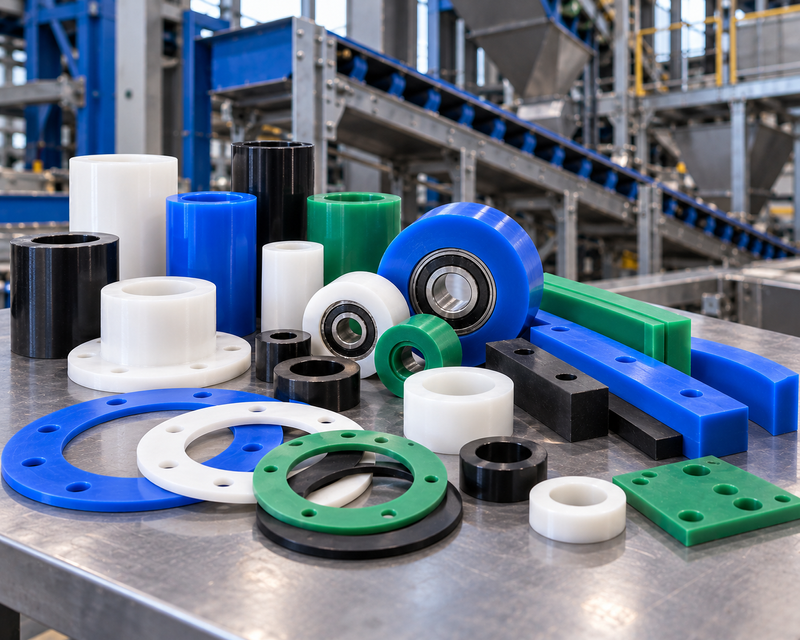
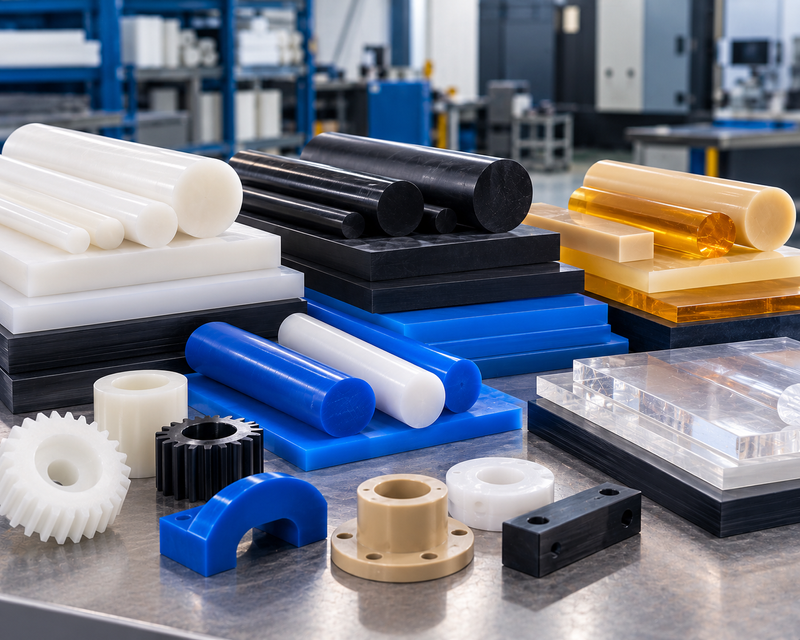
UHMWPE is an engineering plastic used for wear, sliding and lining applications because of its abrasion resistance, low friction, impact resistance and its ability to withstand moisture and corrosion.
The sections below cover how UHMWPE wear components can help lower plant maintenance costs.
How UHMWPE Wear Components Can Lower Plant Maintenance Costs
The properties of UHMWPE make it suitable for demanding wear applications and can help reduce the frequency and cost of maintenance in the following ways:
Longer Wear Life Reduces Replacement Frequency
UHMWPE has high abrasion resistance, allowing it to withstand constant rubbing, sliding and contact with abrasive materials. This can give it an advantage over materials such as steel in suitable wear applications, where repeated abrasion can accelerate surface wear.
This slower surface wear extends the service interval before UHMWPE wear parts need replacing, even in continuous-duty applications where components face constant or ongoing contact. The right UHMWPE grade for your application helps this wear life hold up as intended.
If your plant runs high-wear equipment, fewer replacements translate directly into lower recurring material, fabrication and installation costs. Your maintenance team also spends less time removing and refitting UHMWPE wear strips, which frees up labour for other scheduled work.
Low Friction Helps Limit Contact-Related Wear
UHMWPE has a naturally low-friction surface, which allows moving parts and conveyed materials to slide with less resistance. This helps limit friction-related wear and heat generation at contact points. Its self-lubricating properties can also reduce the need for additional lubrication, helping your maintenance team spend less time on routine servicing.
In applications such as screw conveyors and mixing equipment, this lower-friction performance can help protect both the UHMWPE component and the adjoining metal or mechanical parts. With less wear occurring at these contact points, components may require fewer repairs or replacements, helping reduce ongoing maintenance demands.
Corrosion Resistance Reduces Moisture-Related Maintenance
UHMWPE does not rust and absorbs very little moisture, which makes it well-suited to wet or washdown environments across a plant. Corrosion resistance reduces deterioration that would otherwise require cleaning, treatment or premature replacement of wear surfaces.
This is particularly useful in areas of your plant regularly exposed to water or compatible chemicals, where corrosion-prone materials tend to demand ongoing attention. This removes a recurring burden and allows UHMWPE liners to stay in service longer without the treatment or inspection cycles metal components often need.
Read More: Why UHMWPE Performs Well in Wet and Humid Environments
Reduced Material Build-Up Cuts Cleaning and Intervention Time
The same low-friction surface that limits contact wear also helps sticky, wet or cohesive bulk materials release more easily, reducing their tendency to adhere to the contact surface. Reduced build-up decreases the need for manual clearing, cleaning and corrective maintenance around chutes, hoppers and similar transfer points.
Fewer interventions reduce the labour required for maintenance and cleaning. They can also limit production interruptions caused by blocked or restricted material flow, helping lower overall plant maintenance costs.
Common Industrial Uses for UHMWPE Wear Components
The versatile properties of UHMWPE translate into a wide range of practical uses across plant equipment. Some of the most common applications include:
- Conveyor wear strips: Provide a low-friction wear surface beneath moving chains, belts or conveyed products.
- Chain guides: Help keep chains aligned while reducing friction and wear during continuous movement.
- Guide rails: Direct products or materials through conveyor and processing systems while providing a durable contact surface.
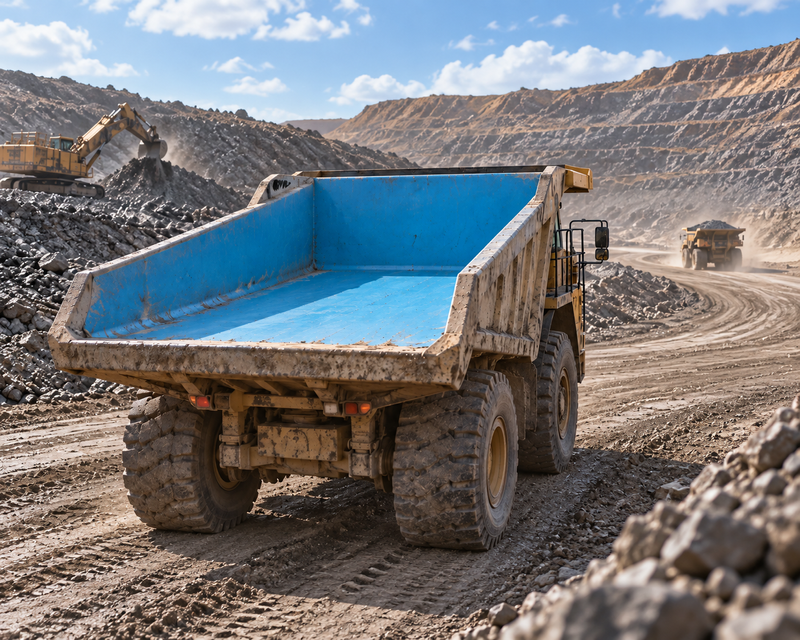
- Chute liners: Protect chute surfaces from abrasion and can help improve the movement of bulk materials.
- Hopper liners: Reduce wear on hopper surfaces and can help minimise material sticking or build-up.
- Scraper blades: Provide a durable, non-corroding contact edge for removing material from belts, surfaces or processing equipment.
- Wear pads and sliding surfaces: Protect high-contact areas where constant sliding would otherwise accelerate equipment wear.
- Paddles and wear strips in wastewater equipment: Withstand moisture, abrasion and ongoing contact in suitable treatment and handling applications.
Recurring maintenance costs often result from frequent component replacement, lubrication, cleaning and servicing. UHMWPE wear components can help reduce these demands through longer wear life, low friction, corrosion resistance and improved material release. The appropriate UHMWPE grade, matched to your application, can provide a durable material option for wear strips, liners, guides and other high-contact components.
If your plant is dealing with recurring wear-component maintenance, ePOL can help you source UHMWPE sheet and rod for suitable applications. With our online portal, you can browse UHMWPE options, check live stock and order sheets or rod material online, without the usual delays of quote requests and phone calls. Contact our team for a quote today.
FAQs
How does UHMWPE compare with steel for plant wear components?
UHMWPE offers lower friction, strong abrasion resistance, corrosion resistance and significantly less weight than steel. These properties can make it well-suited to liners, guides, wear strips and other components exposed to continual sliding or material contact.
How does choosing the right UHMWPE thickness improve wear component performance?
The right UHMWPE thickness provides sufficient wear allowance and support for the application’s abrasion, impact and loading conditions. Correct thickness selection can help extend service life while maintaining practical installation, fabrication and component performance.
Can UHMWPE help reduce noise in industrial equipment?
Yes. UHMWPE can help reduce operating noise by cushioning contact and limiting metal-on-metal interaction in suitable equipment.
Are different UHMWPE forms available for specialised plant environments?
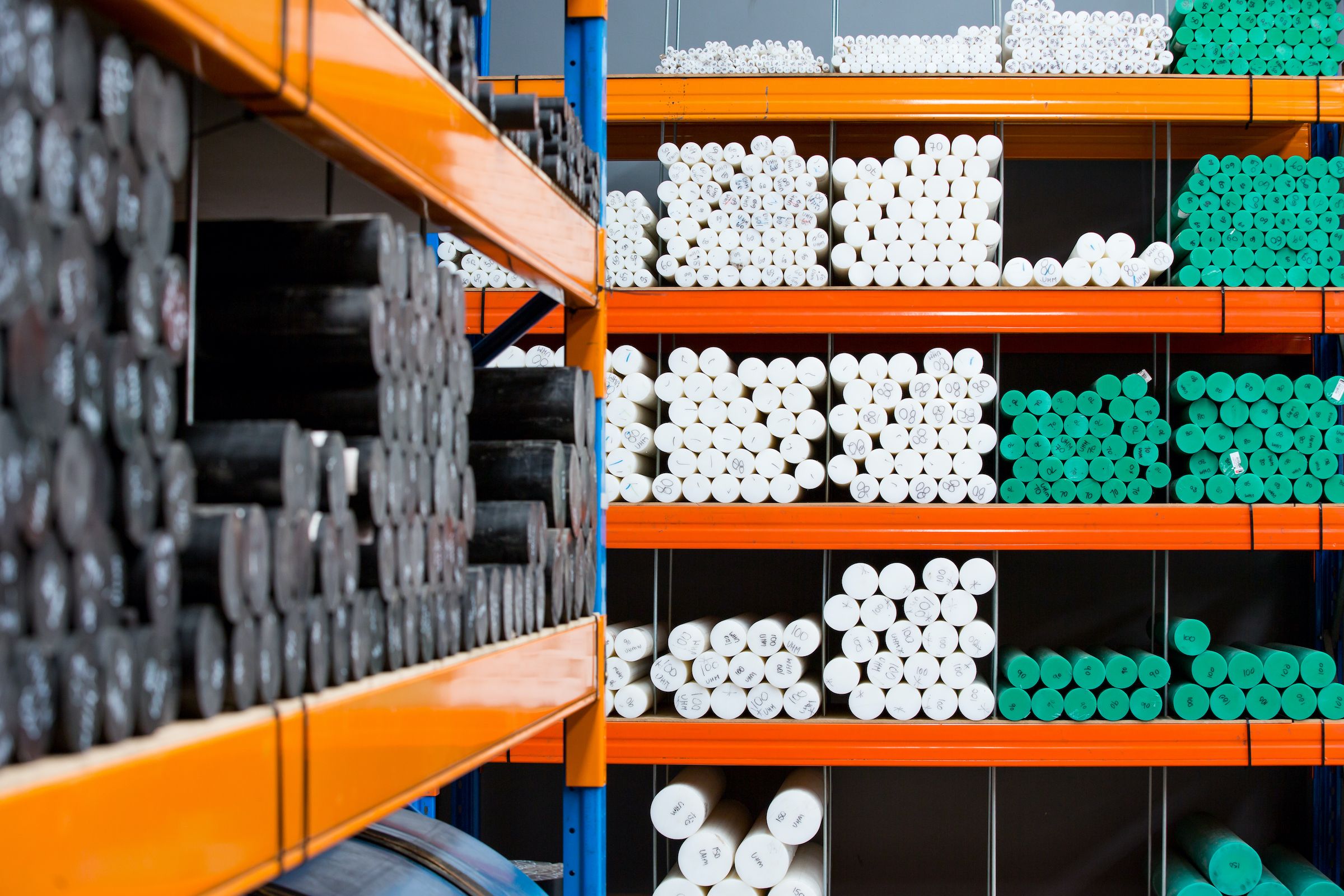
Yes. UHMWPE is available in sheet or rod form to suit a range of industrial requirements.
How do UHMWPE wear components extend conveyor service life?
UHMWPE wear components can reduce friction, abrasion and direct contact between moving conveyor parts. These properties help extend conveyor system lifespan by slowing wear and reducing stress on high-contact components.