At a glance
- Worn conveyor components can cause unplanned stoppages, increasing maintenance costs and delaying production.
- UHMWPE wear strips help reduce friction-related interruptions by supporting smoother chain and belt movement.
- Chain guides, chute liners and side guide rails each target a separate cause of stoppage: chain jams, material blockages and product misalignment.
- The UHMWPE grade, dimensions and fixing method you choose all affect how reliably the part performs and how much downtime it helps you avoid.
Your chain conveyor stops mid-shift because a worn guide has snagged the chain. A maintenance crew then needs to inspect the fault and adjust or replace the damaged component.
One stoppage like this interrupts material movement and delays every downstream process that depends on it. Labour and repairs raise your maintenance expenses, and lost production adds further cost, particularly when the same component keeps failing.
UHMWPE wear parts offer a practical way to address selected wear-related failure points without replacing the entire conveyor. Some applications report downtime reductions of up to 30%, depending on the cause of the stoppage.
Before choosing a part, it helps to know which kind of wear is stopping your line.
How Worn Conveyor Components Lead to Unplanned Downtime
Worn conveyor components cause unplanned downtime by increasing friction, misaligning moving parts, obstructing material or product flow and weakening support under load. Any of these wear problems can overload the drive or force you to stop the line for inspection, clearing or replacement. The main causes are:
- Increased Resistance at Moving Contact Points: Grooved or roughened sliding surfaces raise friction under the chain or belt. This additional resistance increases the load on the conveyor drive and may trigger an overload shutdown.
- Chain Misalignment and Jamming: Abrasive wear can widen the clearance between the chain and its guide, allowing excessive lateral movement. A misaligned chain can catch on a worn edge, damaging links and prompting emergency stops.
- Material Blockages at Transfer Points: Rough or worn chute surfaces allow sticky or cohesive material to build up and restrict flow, and production cannot resume until the blockage is cleared.
- Uneven Support and Sagging Under Load: Wear strips and support rails that have degraded lose their flat, even surface, so the belt or chain sags into the damaged areas. This sagging causes uneven travel, mistracking or sprocket skipping, and the line then needs realigning or resetting before it can run again.
How Different UHMWPE Wear Parts Help Prevent Conveyor Stoppages
UHMWPE wear parts replace worn contact surfaces with a low-friction, abrasion-resistant material, which lowers the likelihood of stoppages. Installed at specific failure points, they reduce drive resistance, keep chains aligned, limit material build-up and maintain even support under the load. Each part below targets a different cause of unplanned downtime:
UHMWPE Wear Strips Help Prevent Friction-Related Stoppages
In suitable conveyor systems, UHMWPE wear strips provide a low-friction support surface beneath moving chains or modular belts. By reducing sliding resistance, these strips can lower drive loads and help prevent friction-related overload shutdowns.
Because the strip wears instead of the chain, you can replace a worn strip during planned maintenance. A strip replaced on schedule usually costs less than a chain replaced after damage, which lowers your plant maintenance costs over time. Strips also perform better on firm backing, because that support keeps the running surface flat and limits the grooving that causes stoppages between inspections.
UHMWPE Chain Guides Reduce Misalignment-Related Downtime
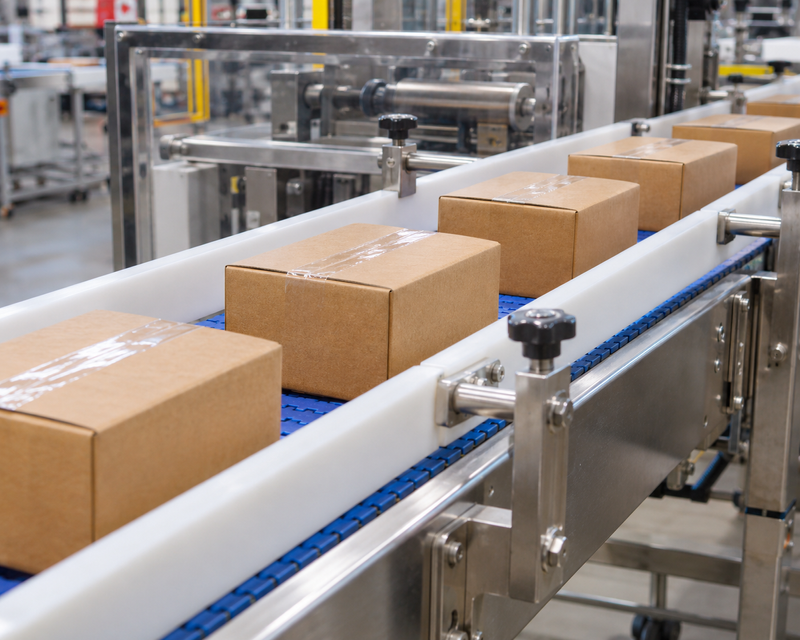
UHMWPE conveyor guides hold the chain in its intended track. A guide machined to the correct profile limits sideways movement, so the chain is less likely to catch on a worn edge. This matters on bottling and packaging lines, where chains run at speed through long shifts, and one snag can stop every station downstream. Manufacturing facilities with firm delivery deadlines, such as defence producers, face the same risk because an unplanned stop delays shipment.
Correctly fitted guides can reduce the unplanned maintenance that chain misalignment causes, and checking guide wear during routine inspections lets you schedule replacement before the chain begins to snag.
UHMWPE Chute Liners Reduce Blockage-Related Shutdowns
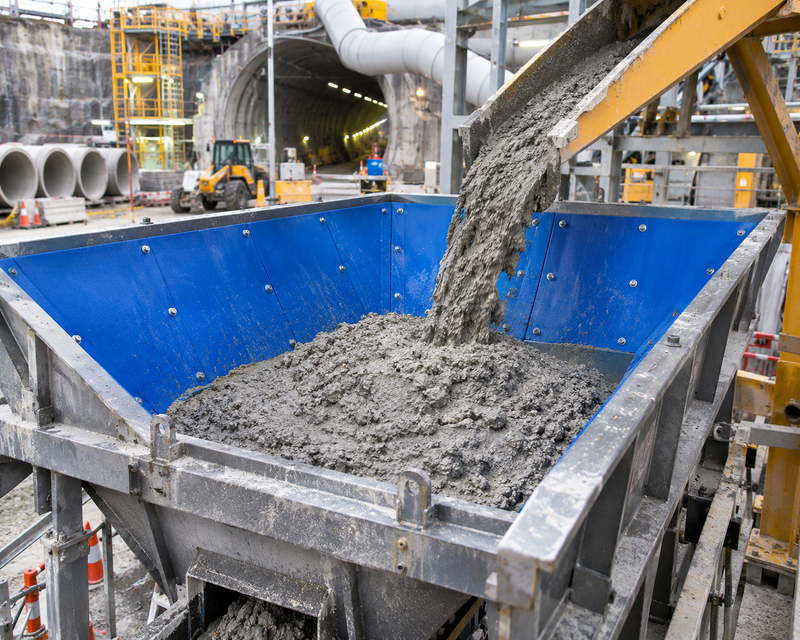
UHMWPE chute liners provide a low-friction contact surface that helps sticky or cohesive materials move through transfer points. Because less material adheres to the surface, the discharge path stays clear and blockages become less likely. As a result, you spend less time stopping the conveyor and clearing material by hand.
Liners also protect the chute wall from abrasion, which helps it hold its profile and direct material consistently over a longer service life. However, results depend on the material handled and the chute geometry, so very sticky or wet material may still need design changes alongside the liner.
UHMWPE Side Guide Rails Reduce Product-Jam Stoppages
On compatible conveyor lines, UHMWPE side guide rails give conveyed items a smooth, abrasion-resistant edge to slide against. A consistent edge surface limits wedging and tipping, which are common reasons for stopping the line to clear items by hand.
Rails are fabricated from UHMWPE sheet or rod to suit the conveyor’s width and profile. Because the product touches the finished edge, cutting and drilling need care. Burrs or heat marks left by poor machining can catch items and cause the jams the rail is meant to prevent, so it helps to follow good practice when machining engineering plastics. In food and beverage packaging, a smooth edge also helps avoid scuffing on printed or coated surfaces, which protects product presentation as well as throughput.
Getting the Best Performance from UHMWPE Wear Parts
Once you’ve identified how UHMWPE wear parts help prevent conveyor stoppages, the next step is choosing the right components for your operating conditions. A few factors can influence their performance and suitability.
|
Factor |
What to Check |
Why It Matters |
|
Operating Conditions |
Temperature, moisture, chemicals and load |
Confirms the material suits the working environment |
|
Material Grade |
Virgin or regrind, additives and compliance requirements |
Affects abrasion resistance, hygiene suitability and service life |
|
Wear Pattern |
Sliding, impact, abrasive contact and conveyor speed |
Indicates the wear resistance and thickness required |
|
Dimensions |
Thickness, width, length and profile |
Confirms the part fits existing clearances and mounting points |
|
Fixing and Support |
Fasteners, backing support and expansion allowance |
Helps prevent buckling or loosening as UHMWPE expands and contracts |
|
Application Fit |
Conveyor type and specific failure point |
Indicates whether a strip, guide or liner suits the failure point |
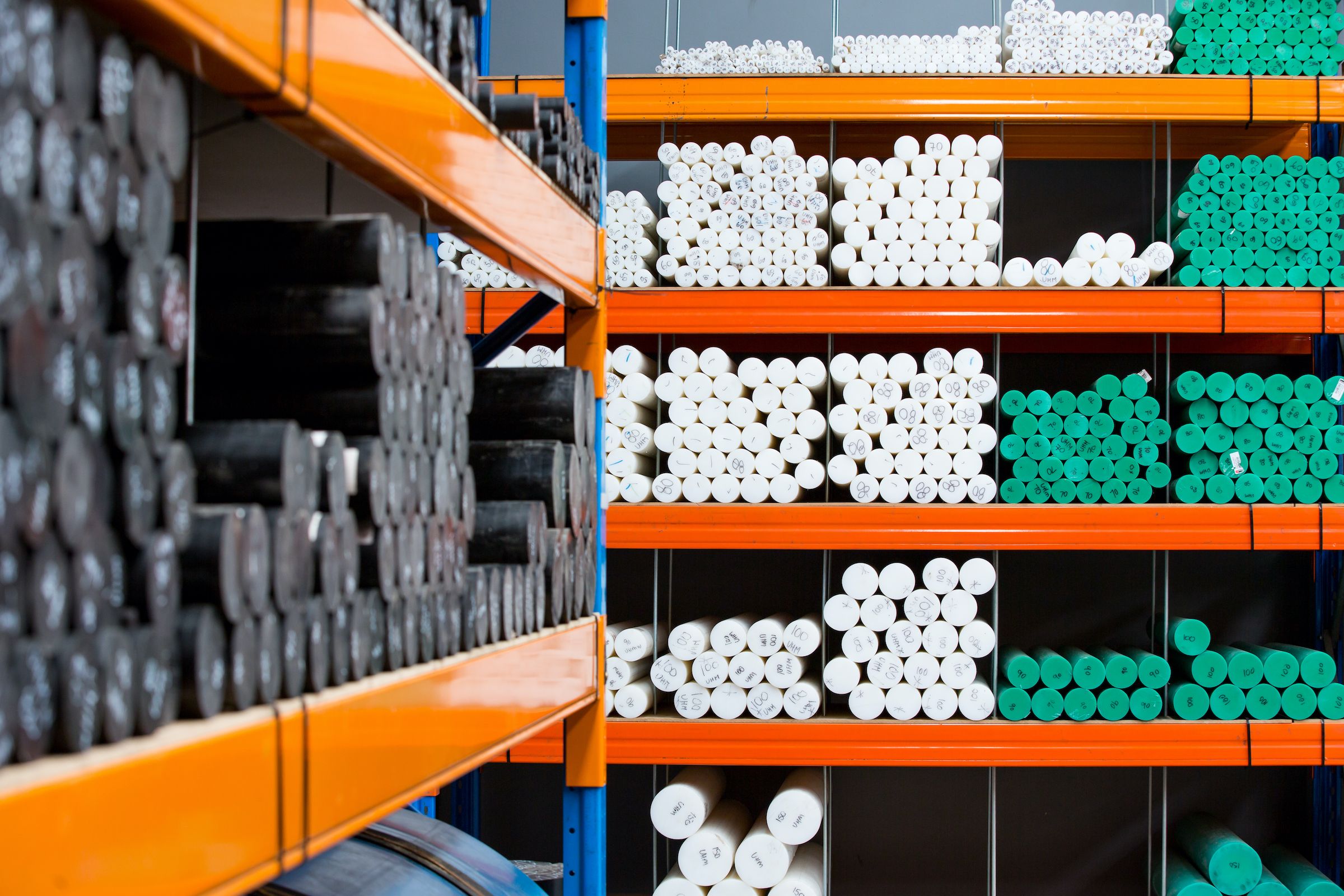
Reviewing the different grades of UHMWPE before specifying a material is particularly worthwhile when abrasion resistance or hygiene requirements are important.
Worn conveyor components create recurring stoppages through friction, chain snagging, chute blockages and product jams, and the right part depends on which failure point you are dealing with. UHMWPE wear strips, chain guides, chute liners and side guide rails can reduce conveyor downtime when wear at a contact surface is the cause. Your results will depend on identifying the exact failure cause first, then choosing a grade, thickness and fixing method that suit your operating conditions.
Is a worn guide or rail stopping your line? ePOL supplies UHMWPE sheet and UHMWPE rod for fabricating conveyor wear components. You can check live stock and order through our online portal, or contact our team to find the right grade for your conveyor.
FAQs
Can UHMWPE wear parts be retrofitted to existing conveyor systems?
In many cases, yes. UHMWPE wear parts such as strips, guides and liners are commonly cut to size as replacements for worn steel or plastic components. You will need to check mounting points, clearances and fixing methods first, because the replacement must match the original profile.
What UHMWPE thickness is suitable for conveyor wear strips and liners?
Thickness depends on load, wear allowance, material abrasiveness and how the part is supported. Thicker parts allow more wear before replacement, while thinner parts suit tight clearances. You can weigh these trade-offs in more detail in the guide to choosing UHMWPE sheet thickness.
Can UHMWPE wear parts also extend the overall lifespan of conveyor systems?
They can, because a replaceable wear part wears down before the chain and supporting structure do. Concentrating that wear on a component you can replace readily helps extend conveyor system lifespan, although the effect varies with the system and operating conditions.